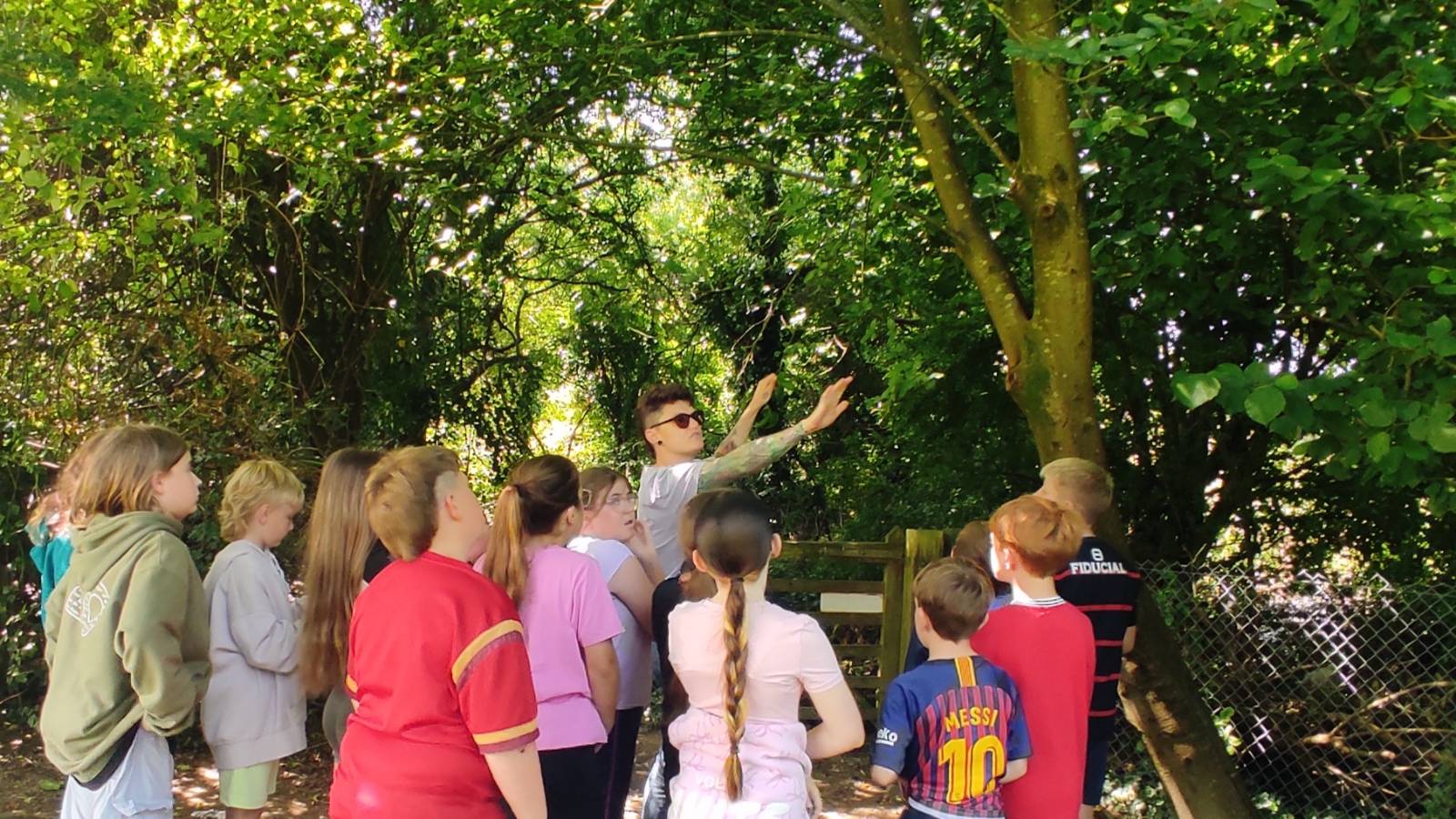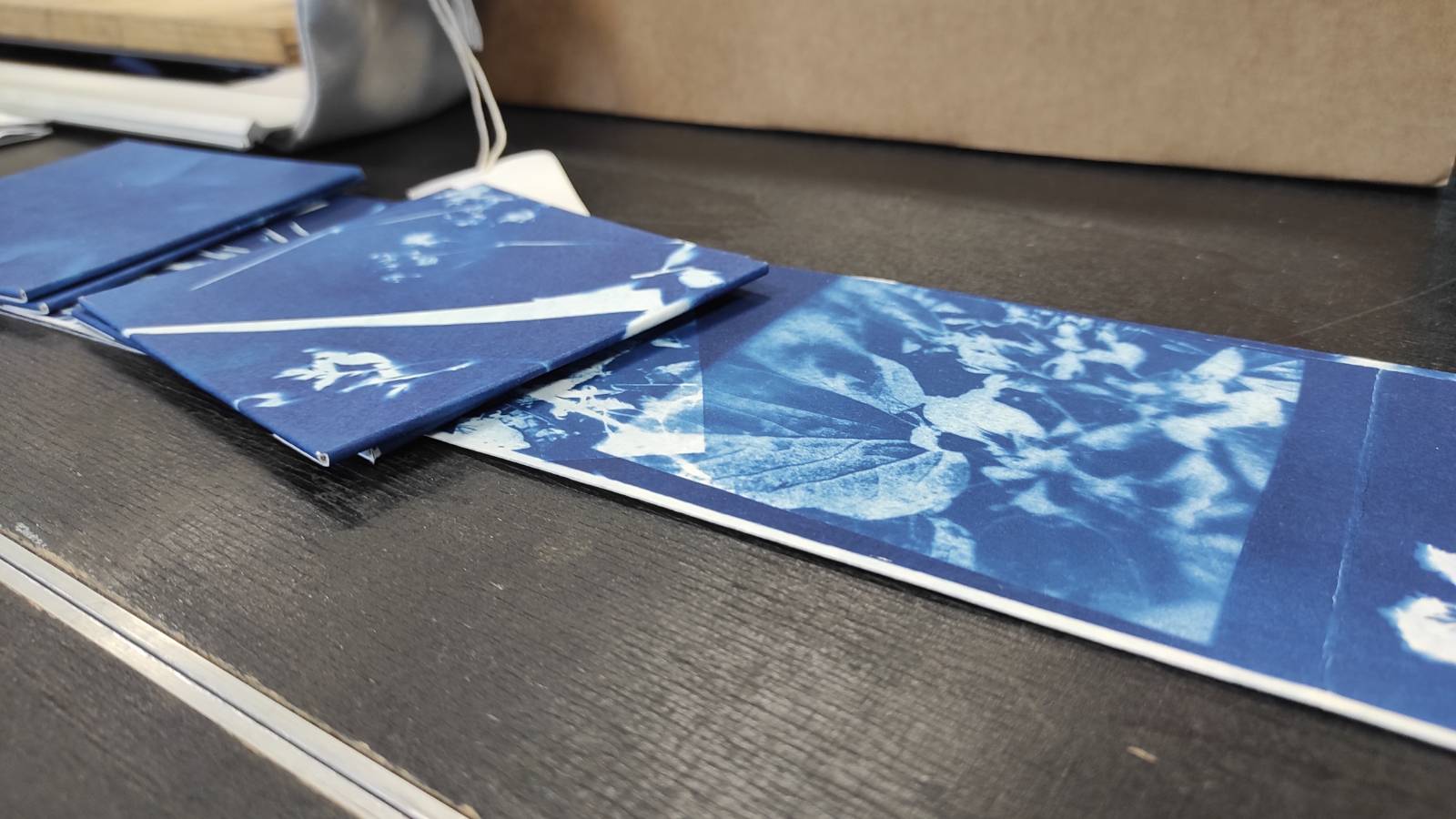
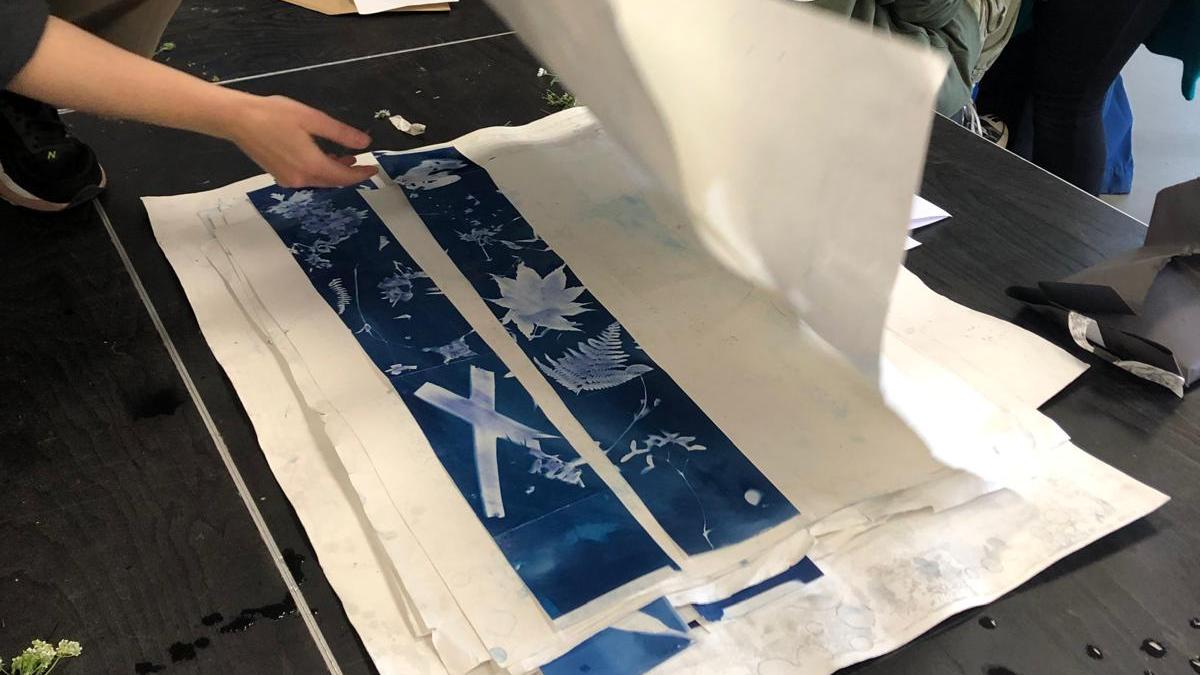
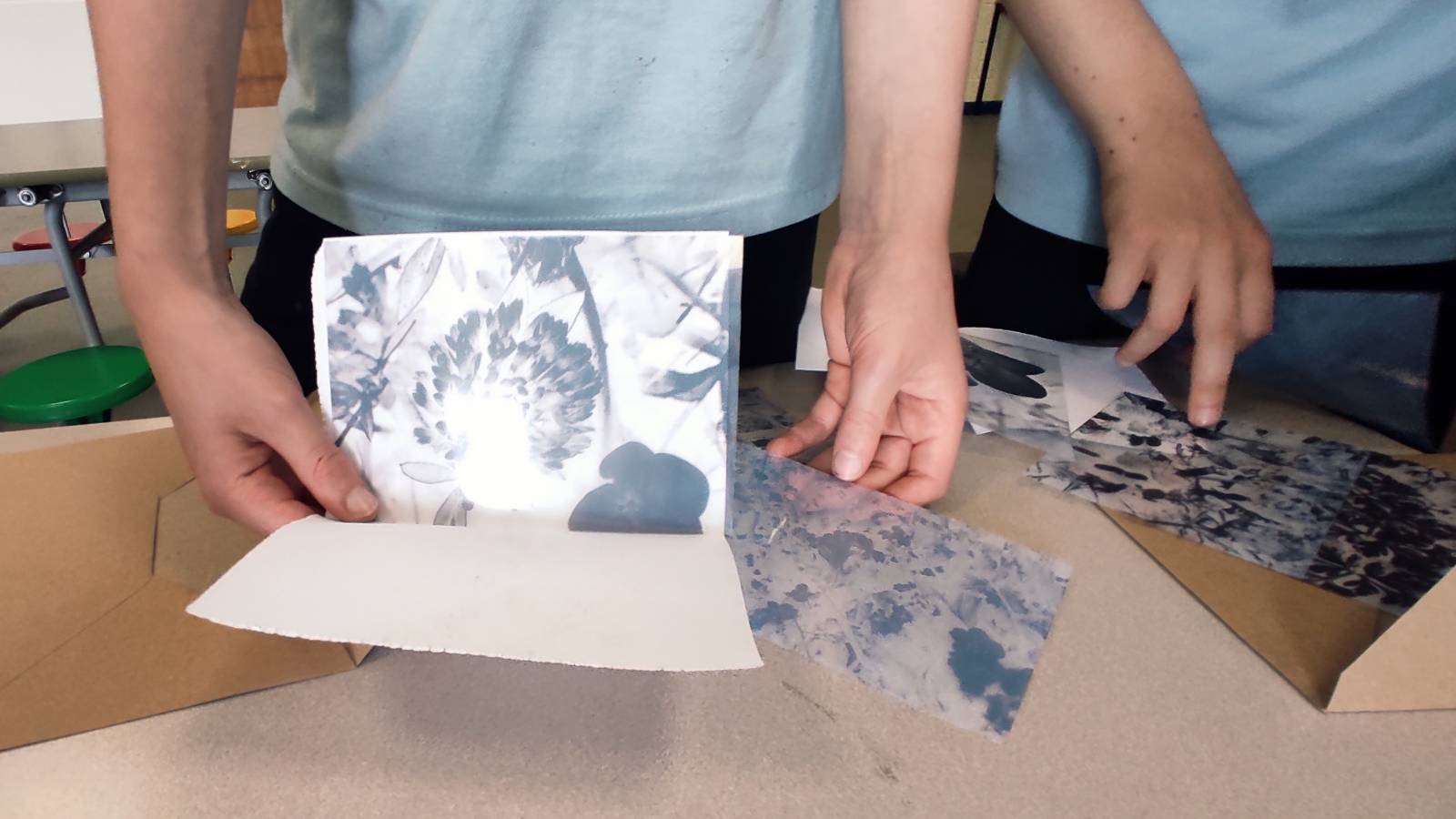
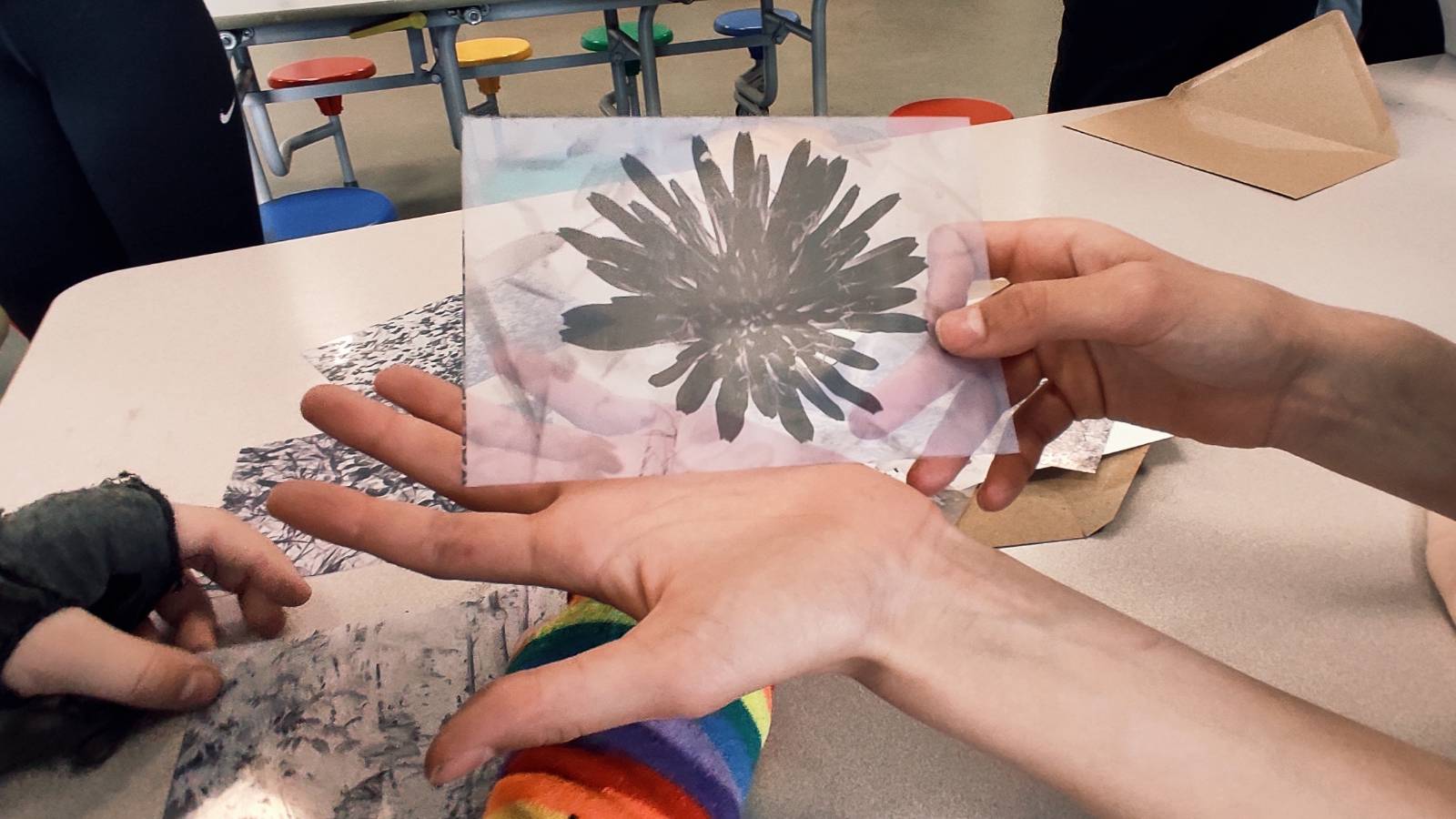
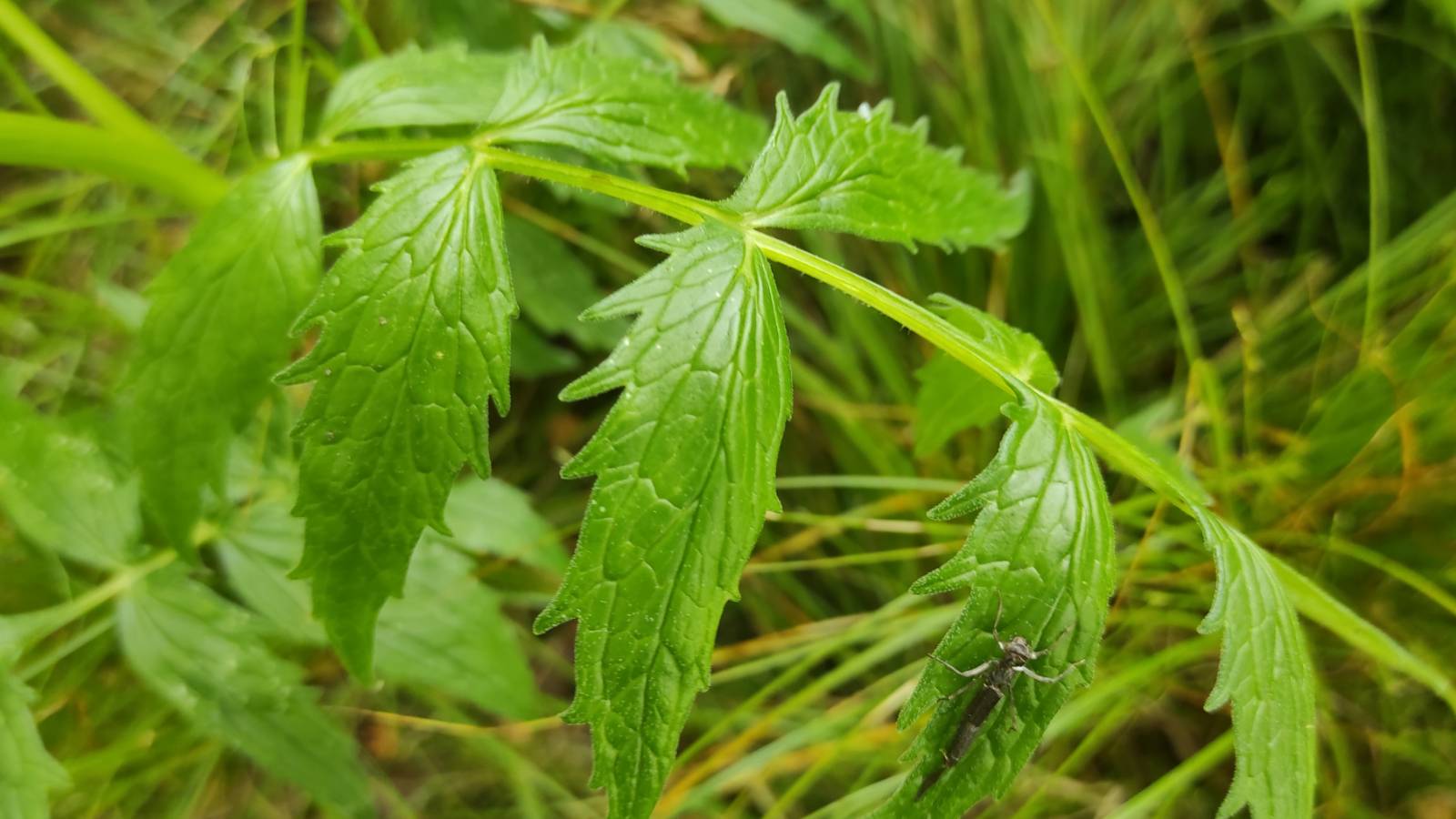
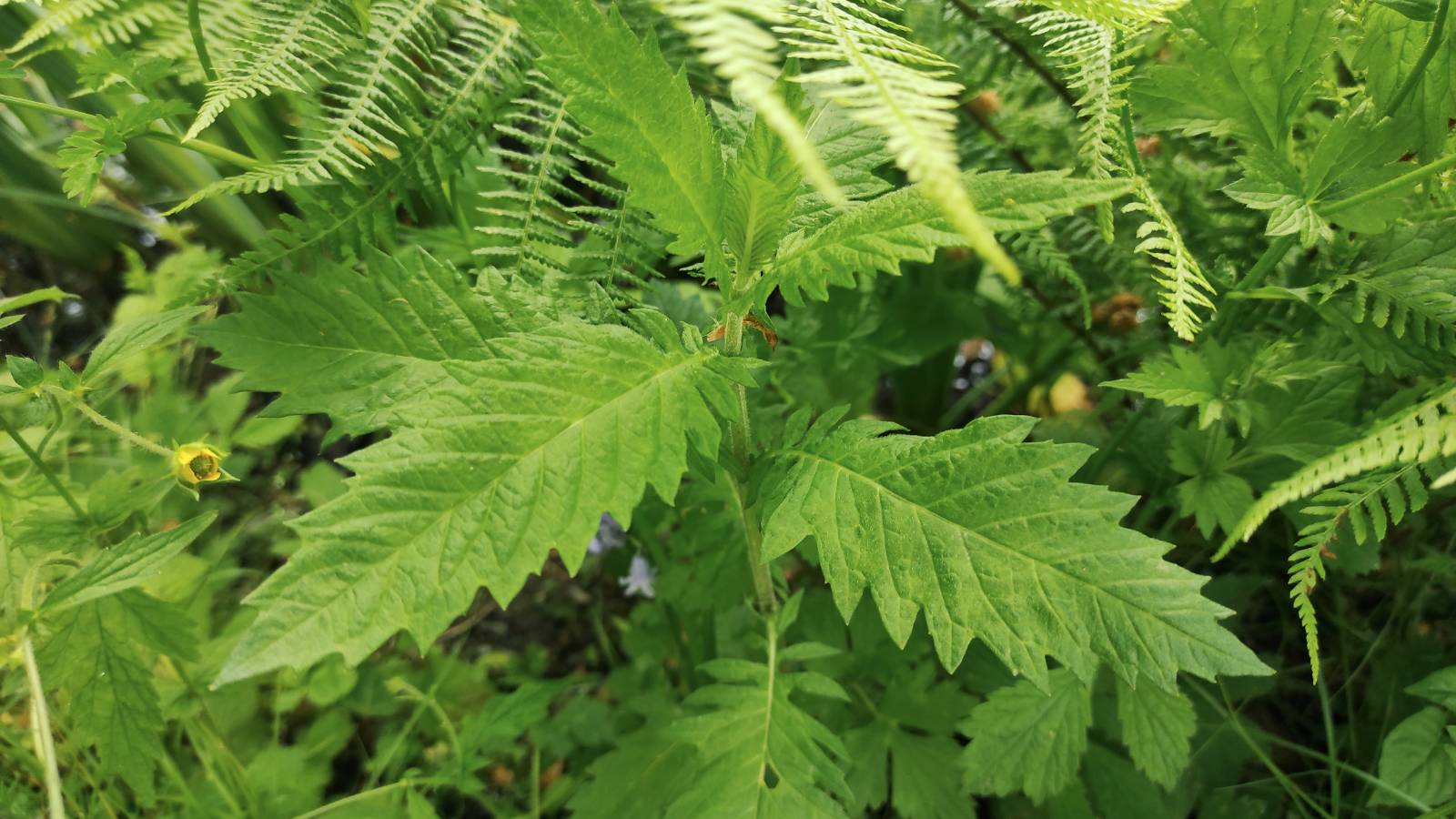
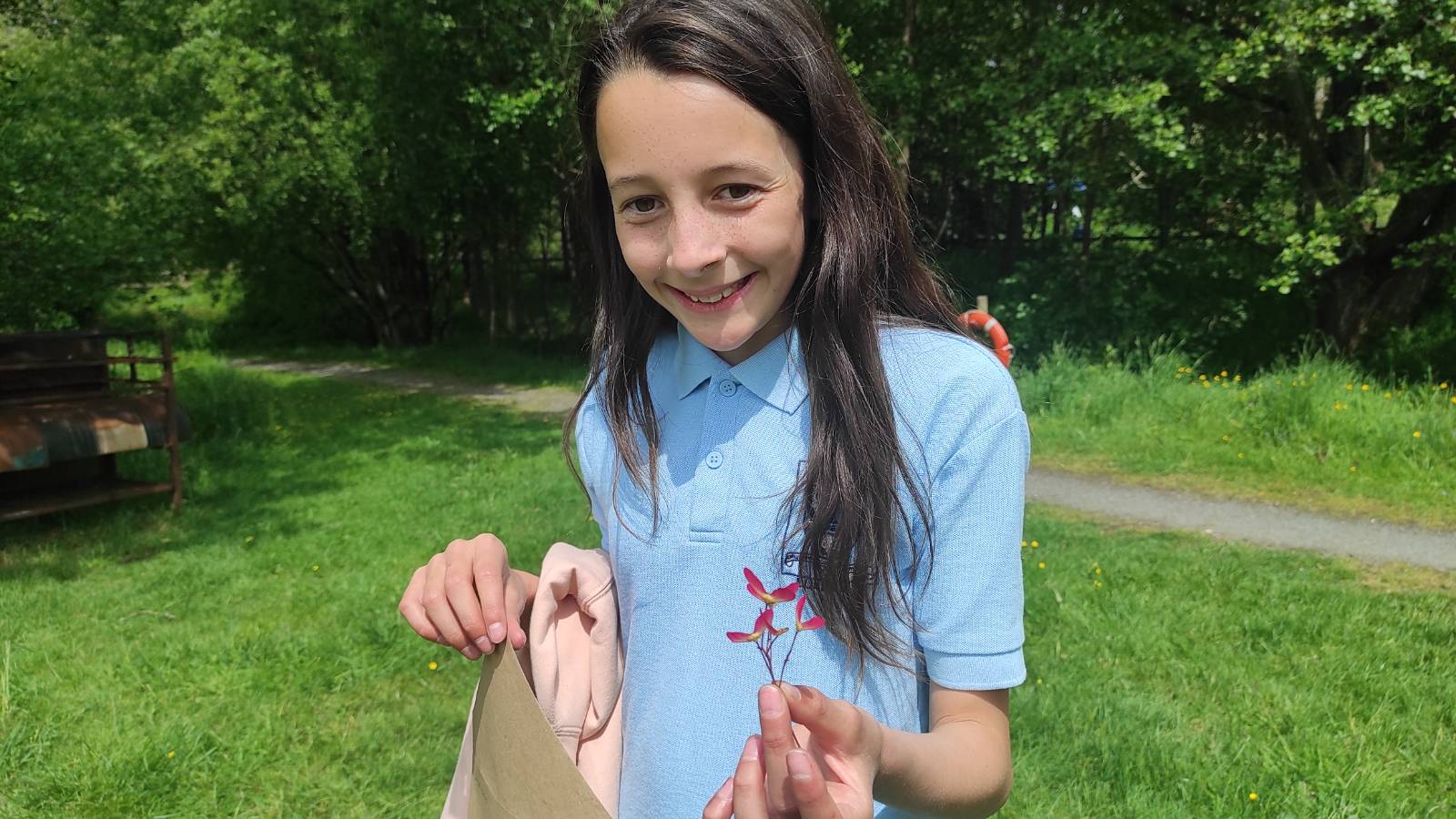
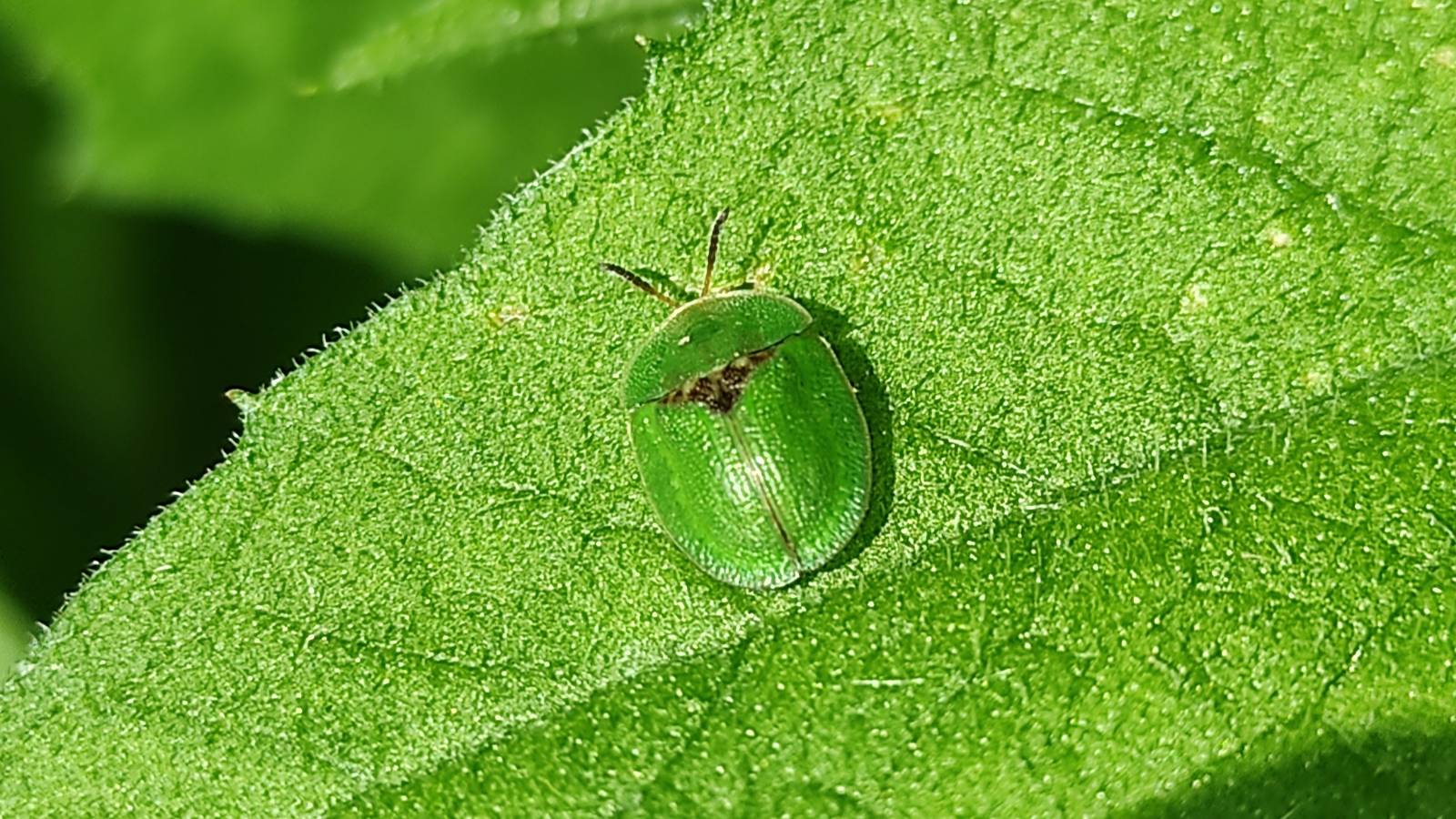
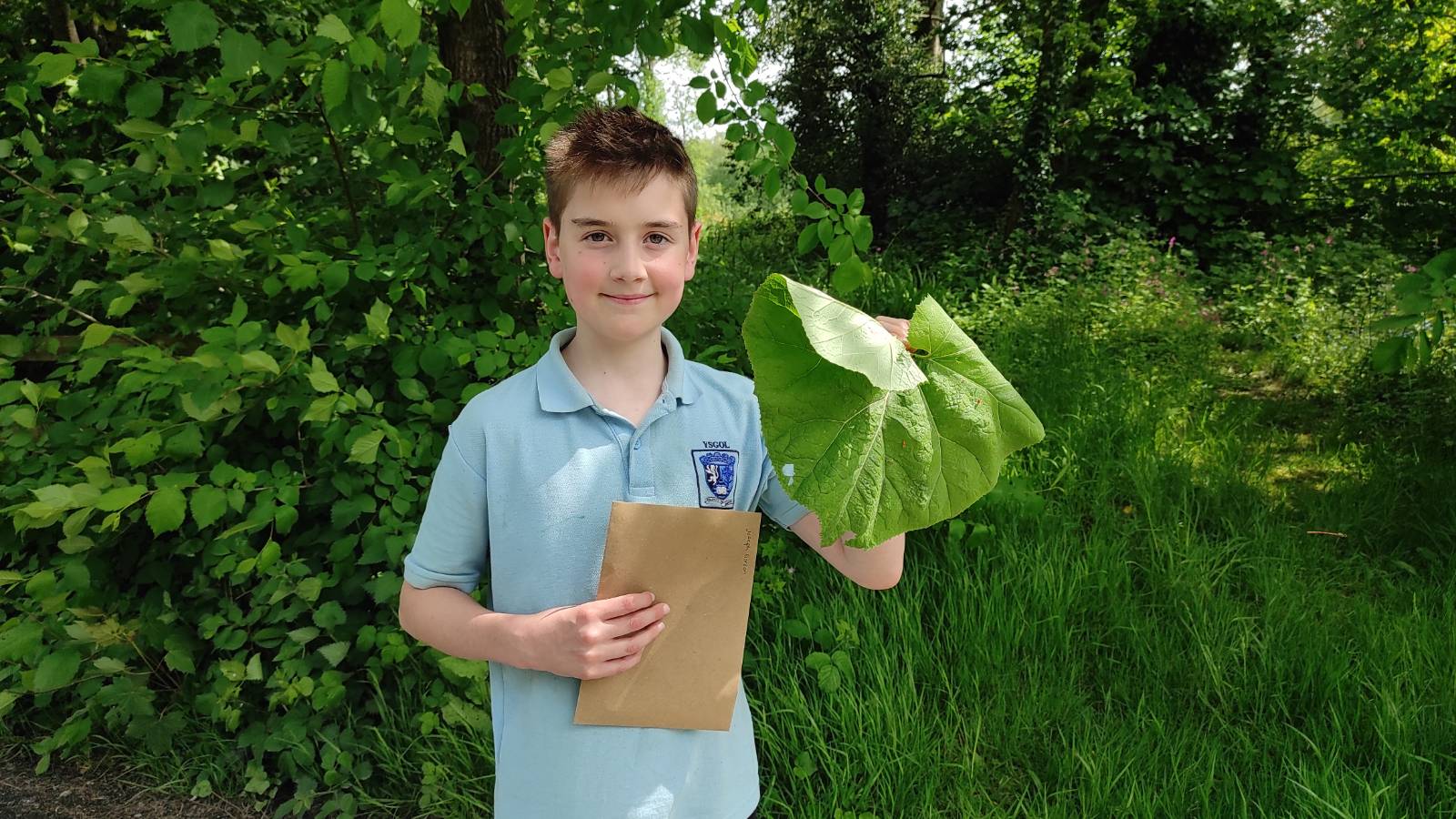
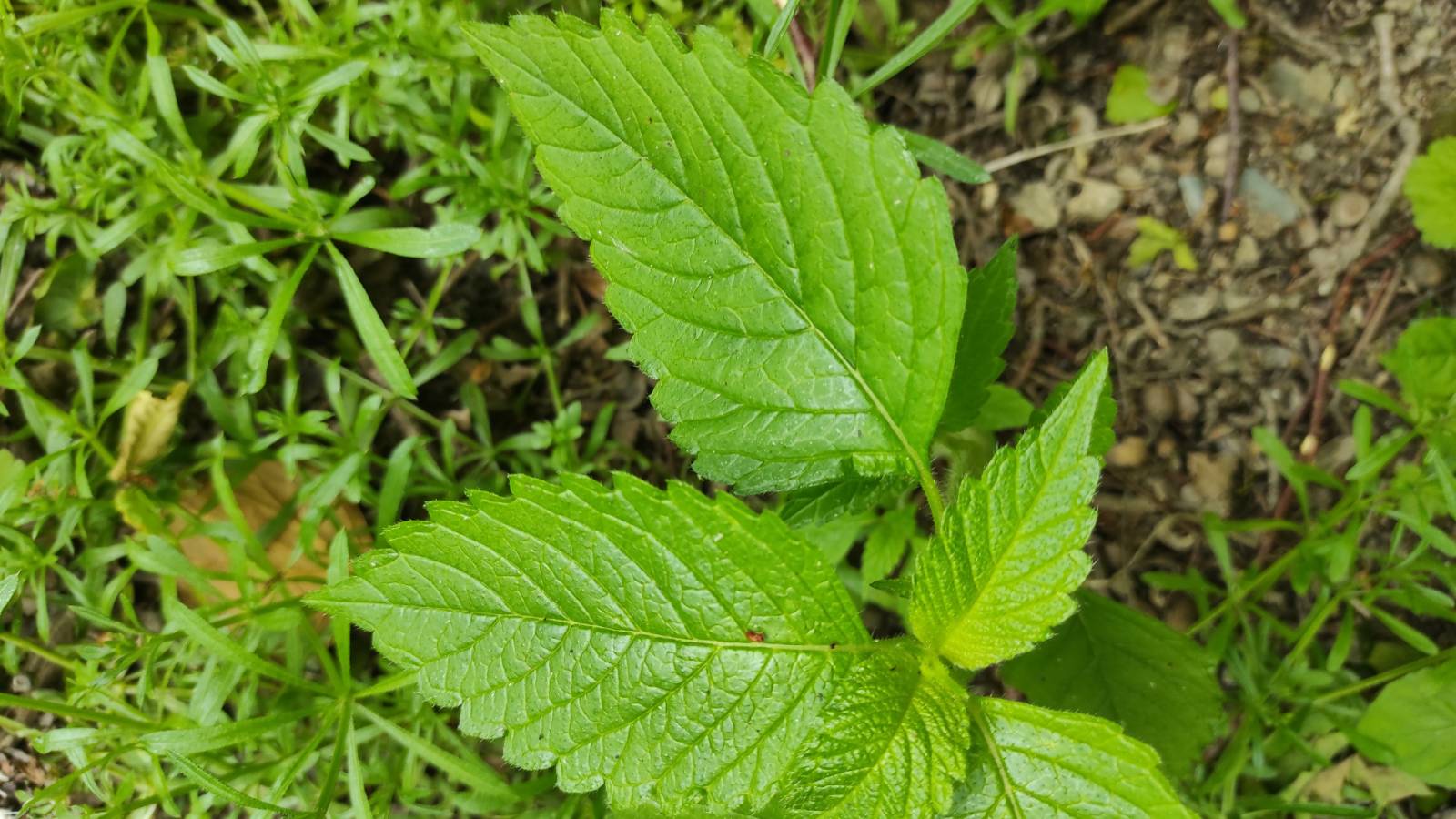
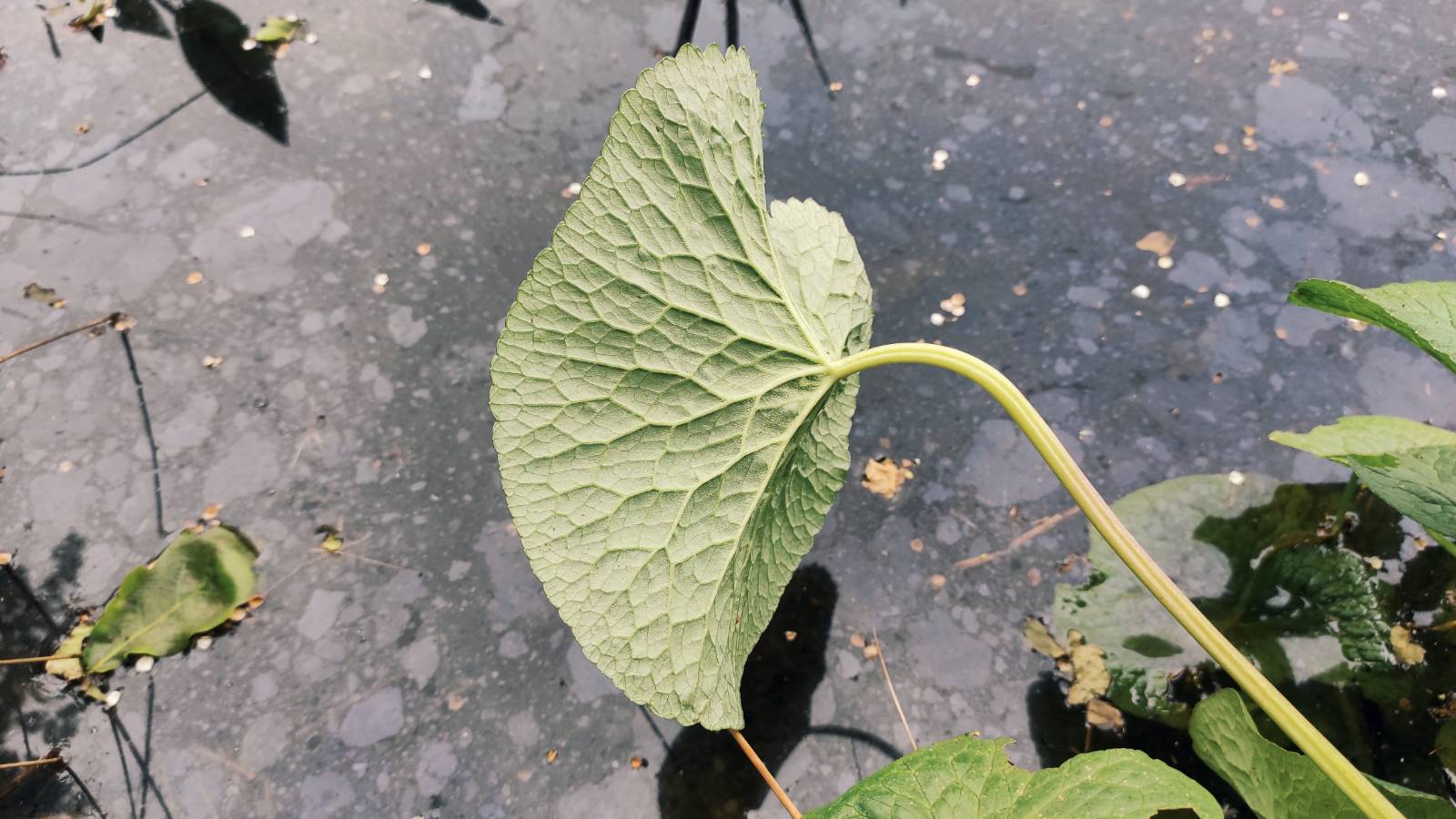
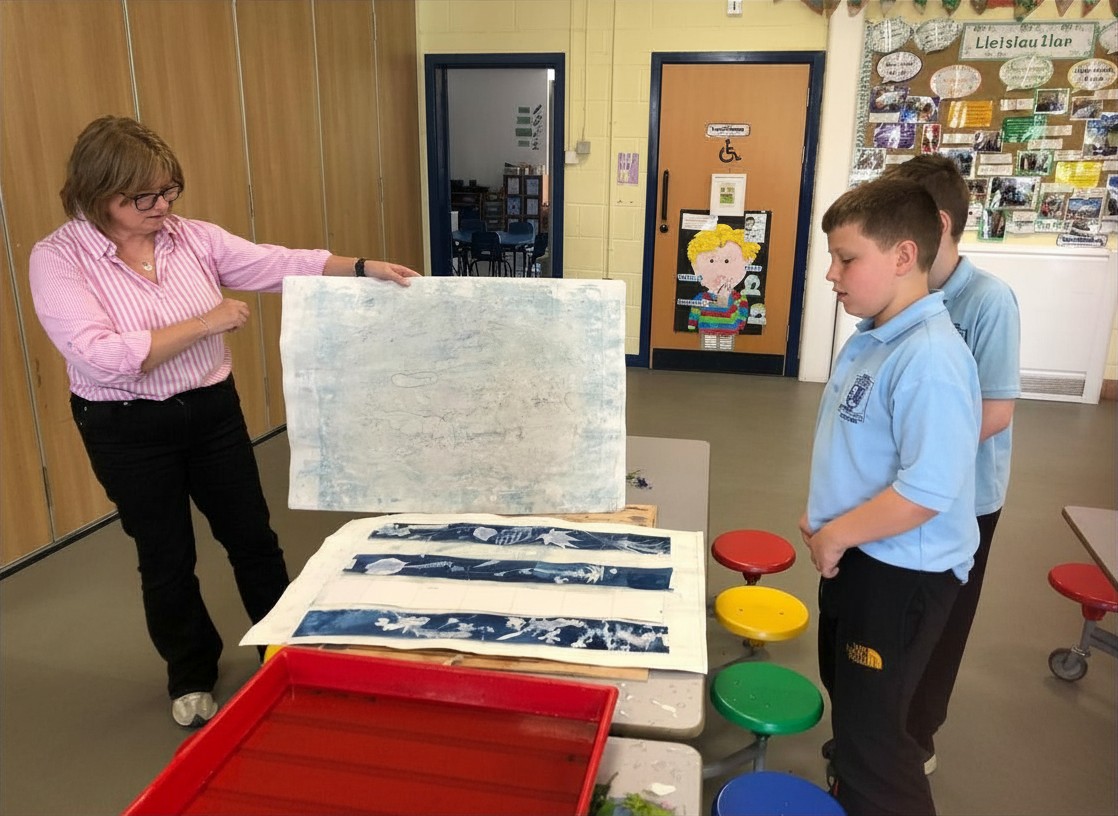
Marian showed the students examples of the cyanotype collage strips that they’ll be creating, and then handed out the students‘ negative acetate prints in envelopes. These will form the textured background on the cyanotype. And then we went outside to gather plant material.
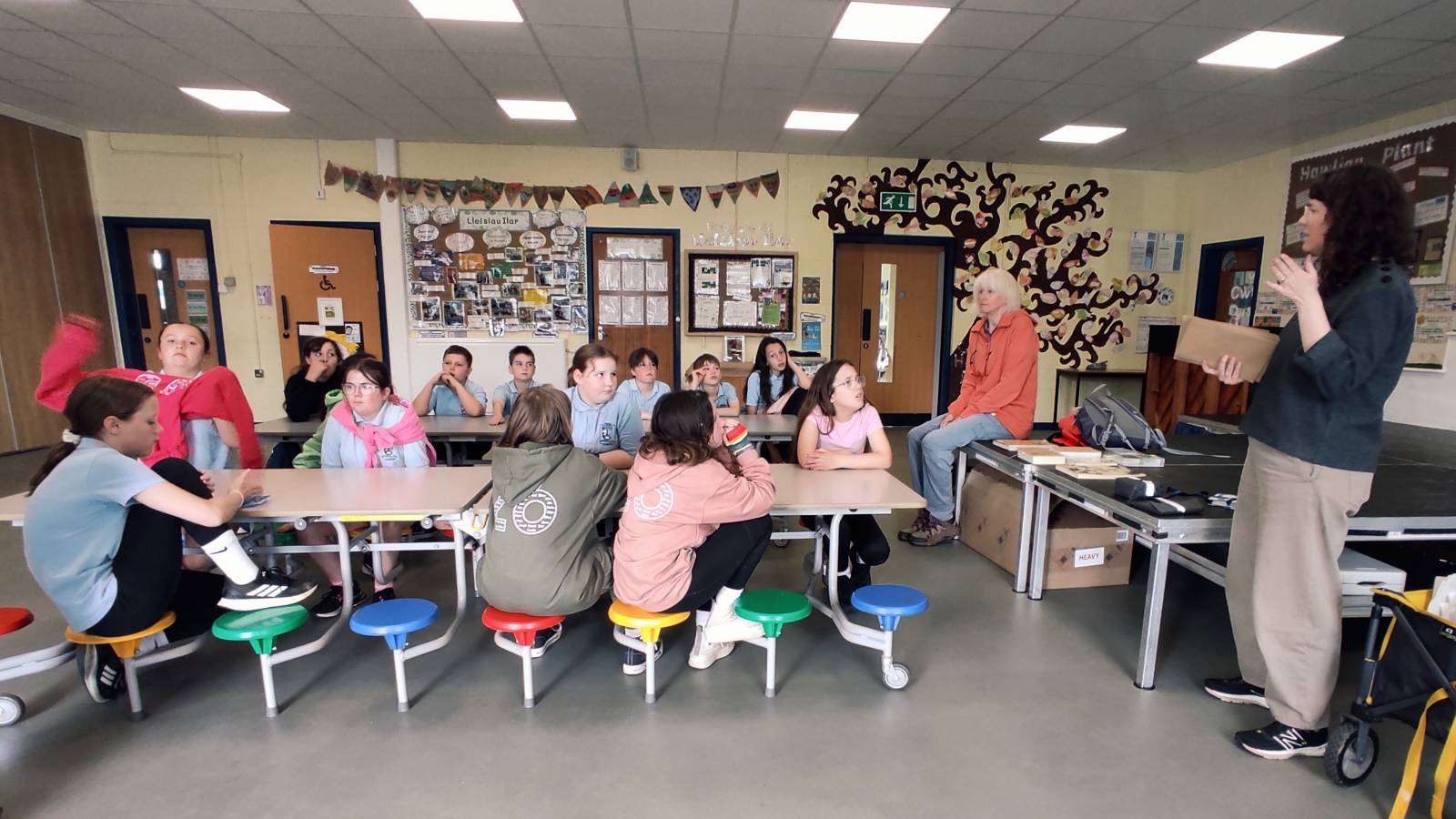
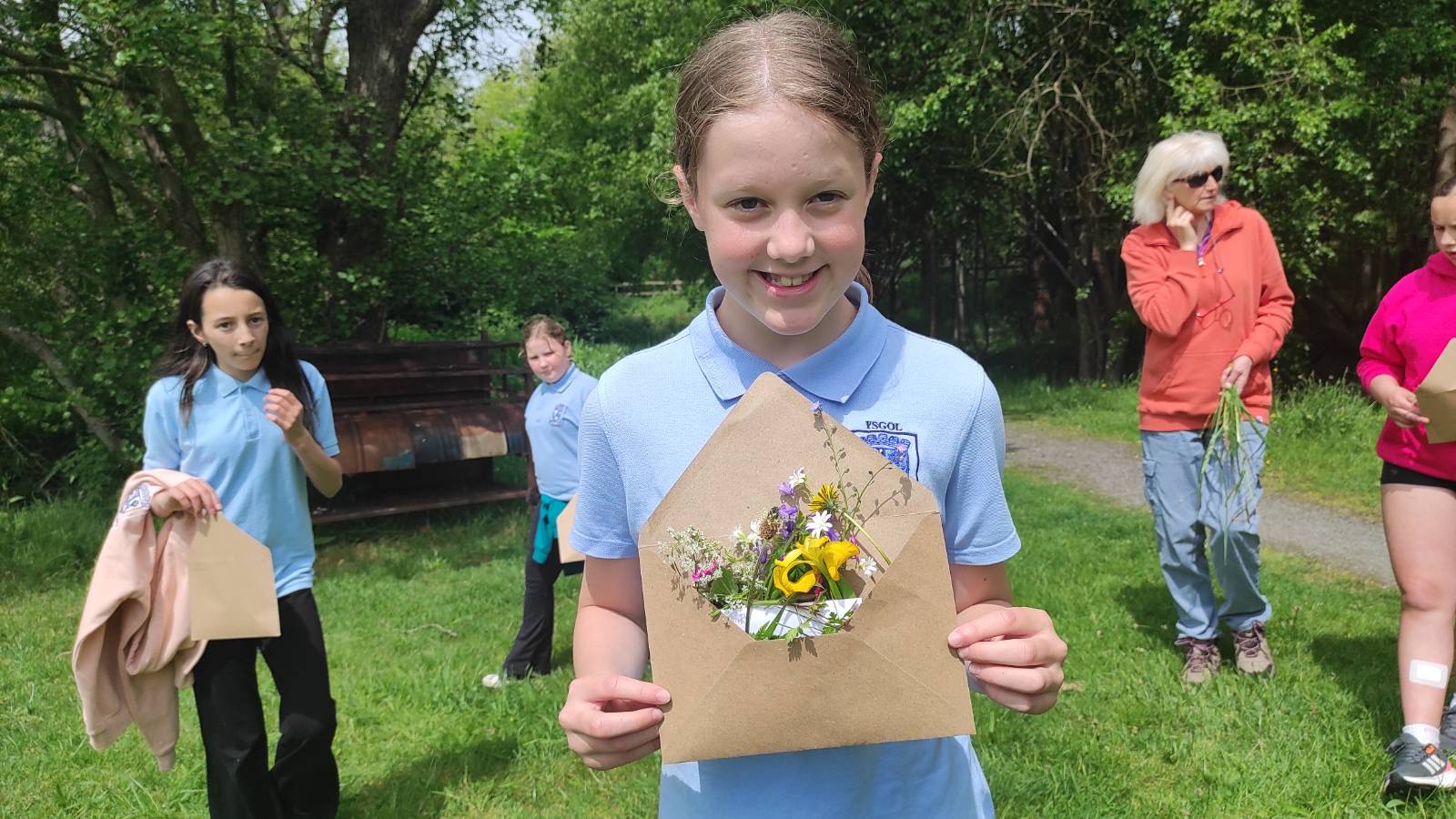
Guest post by Louise Tranter
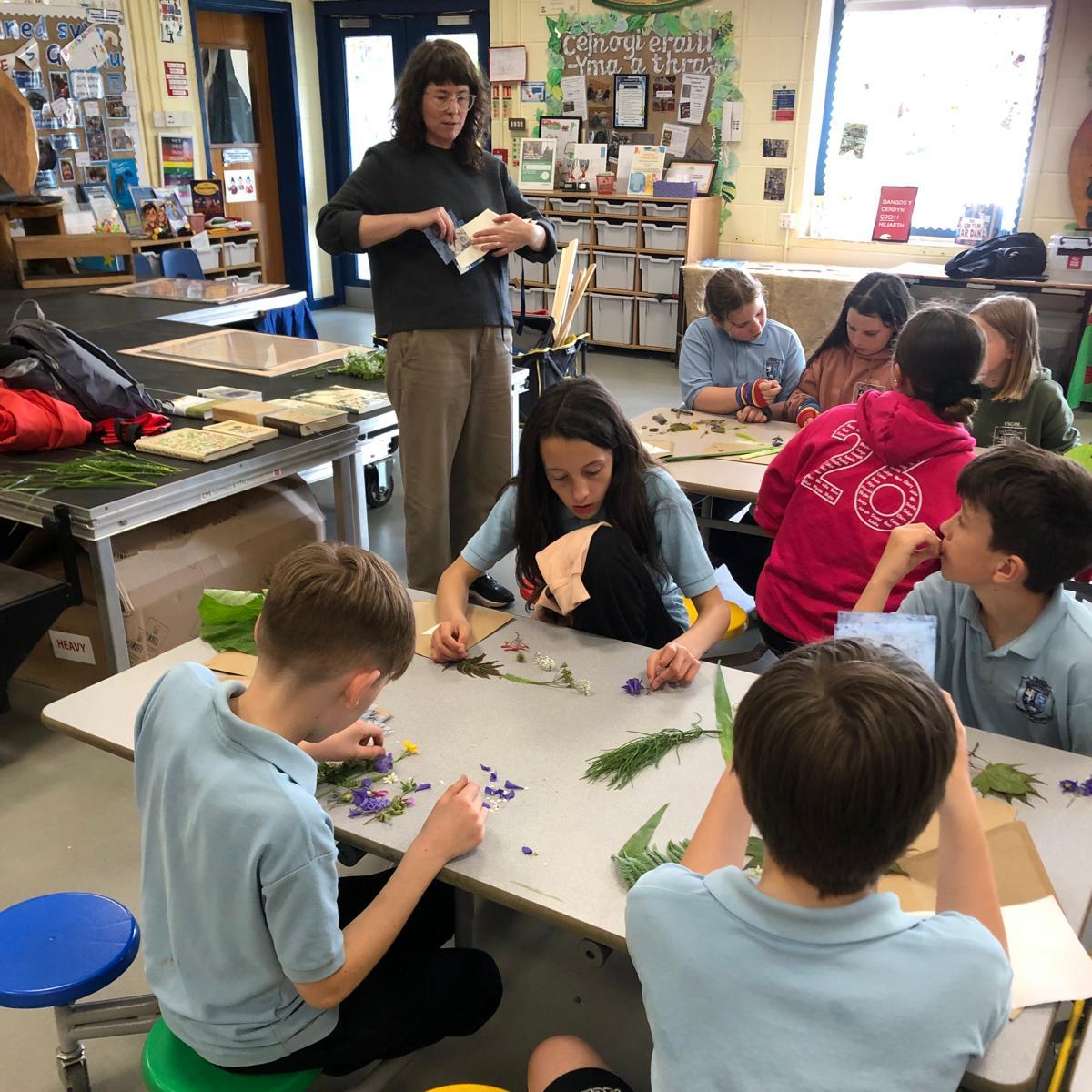
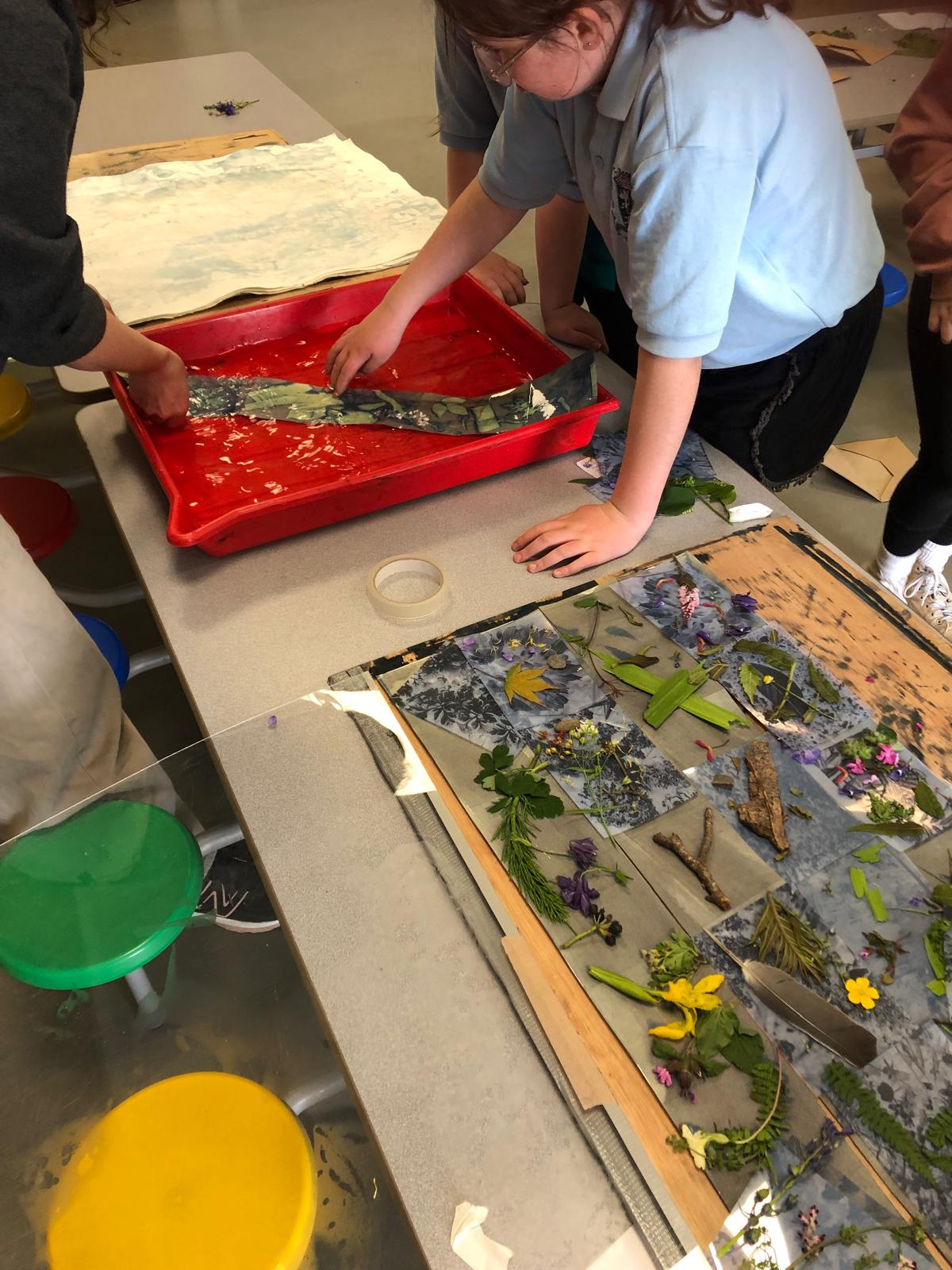
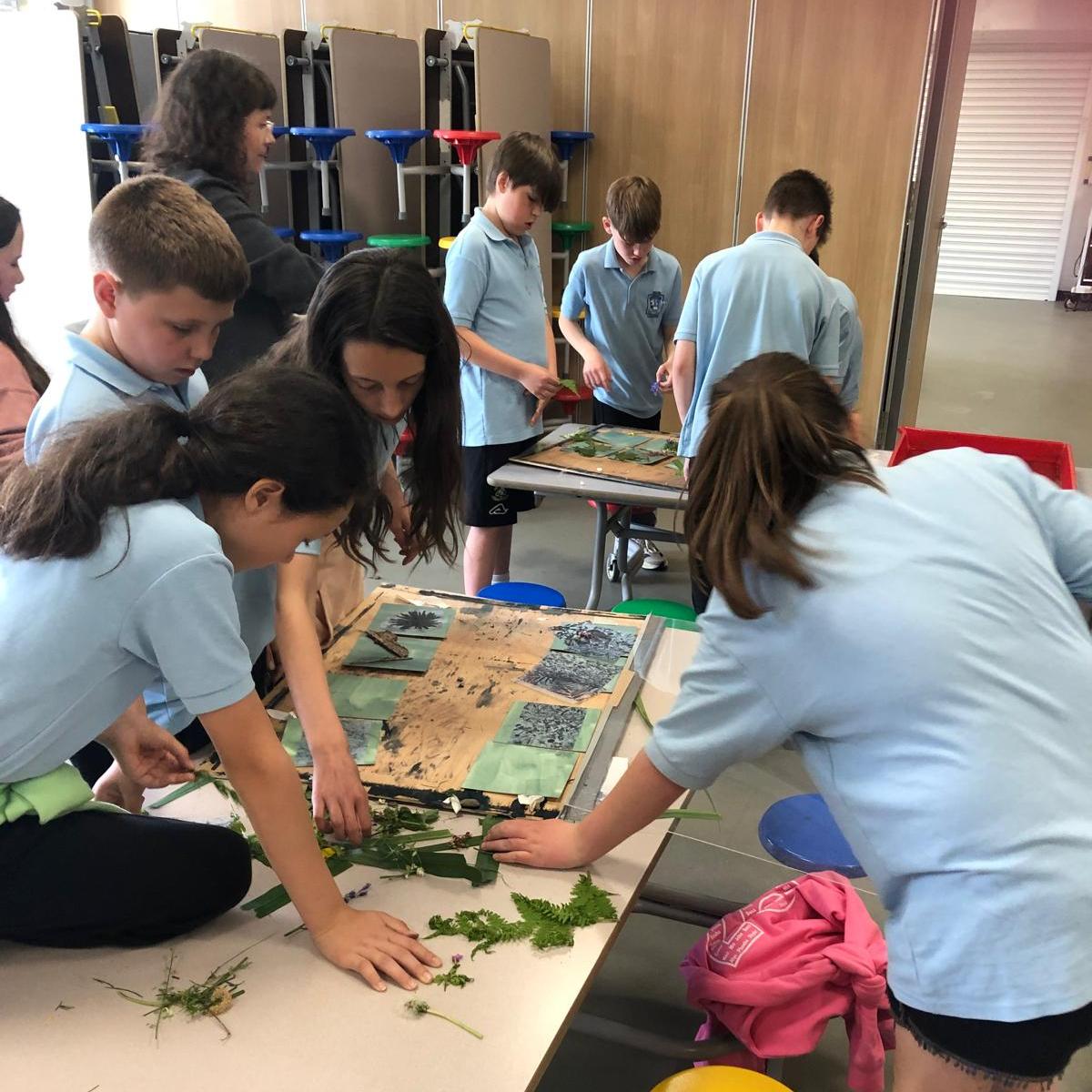
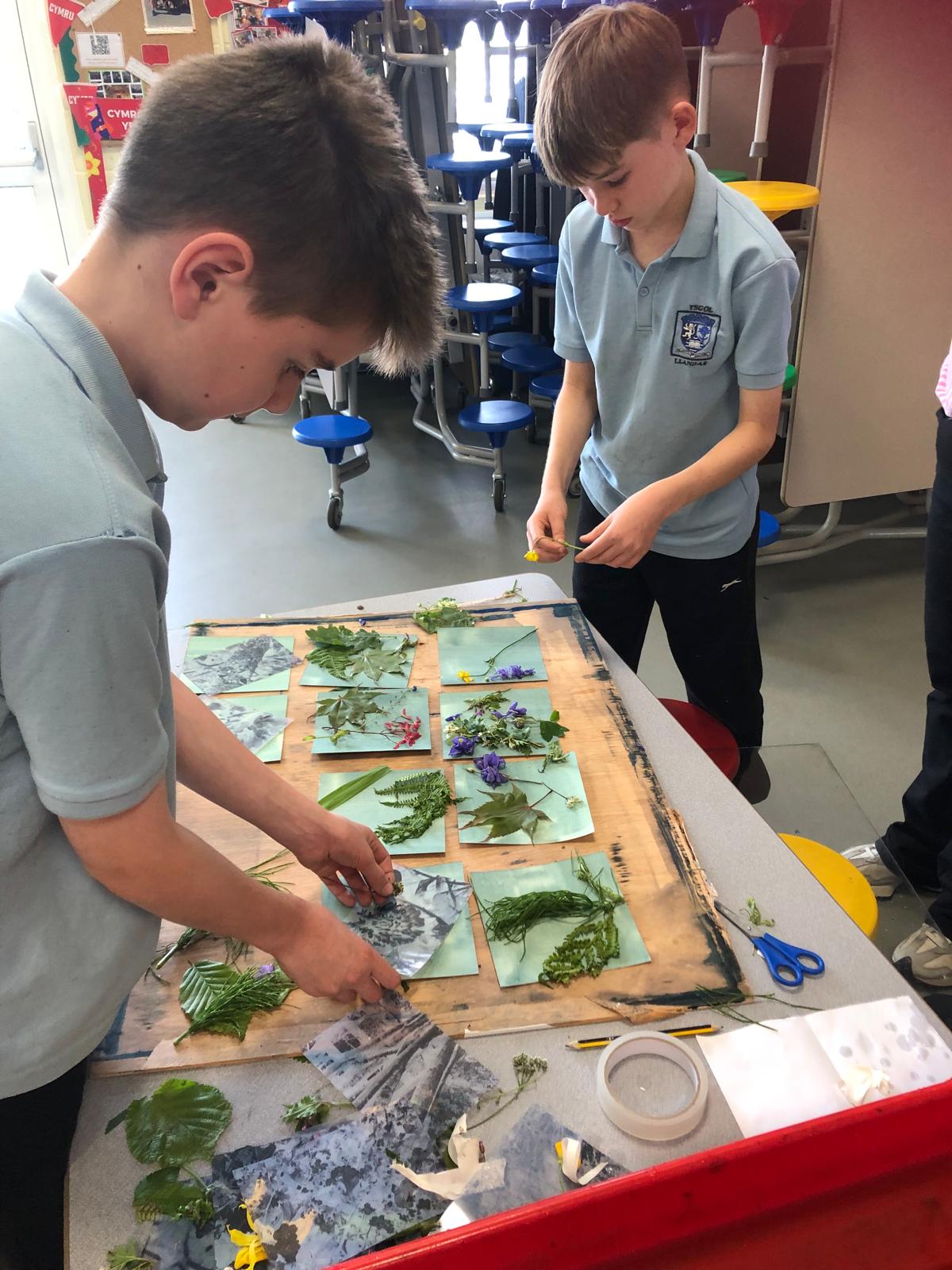
Sorting through the collected plant material and deciding on a design.
We also made lists of the plant names for the material used in each design. Hopefully the children will be able to name their printed images, and tell other people about them to!
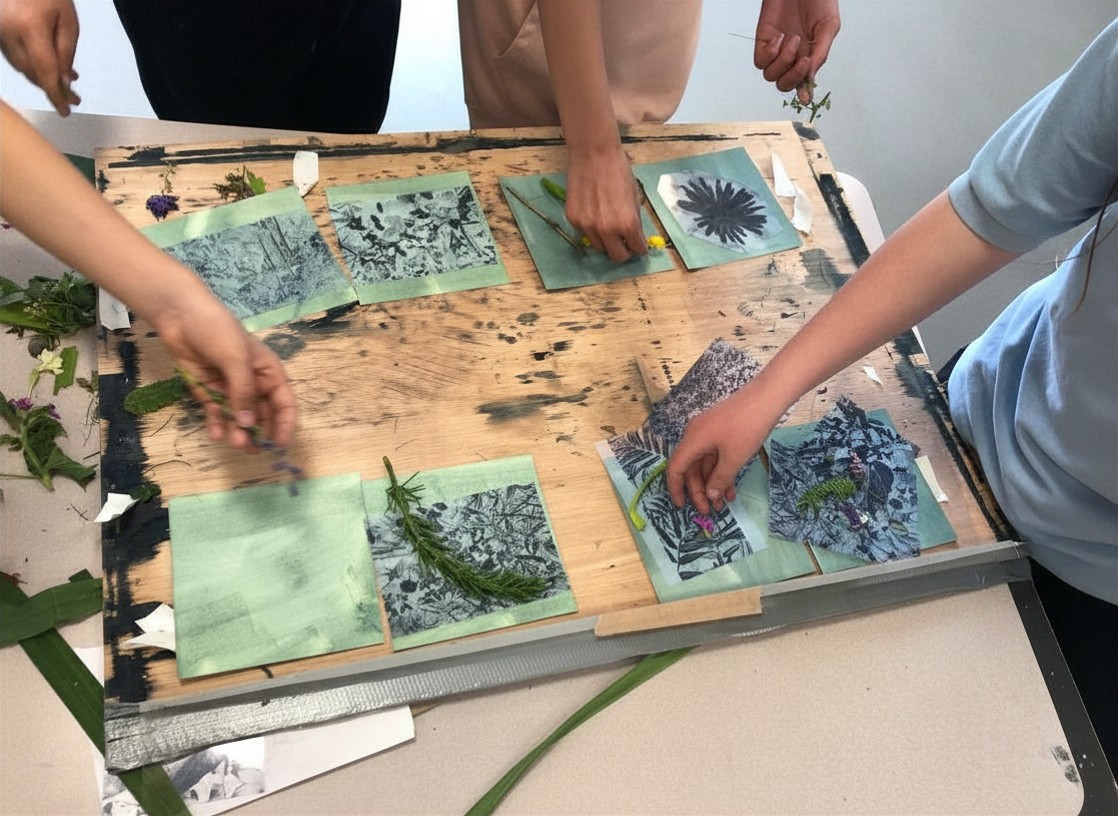
Arranging plant material on cyanotype paper for inside pages of the book. Getting the boards ready to take outside and expose prints in the sun.
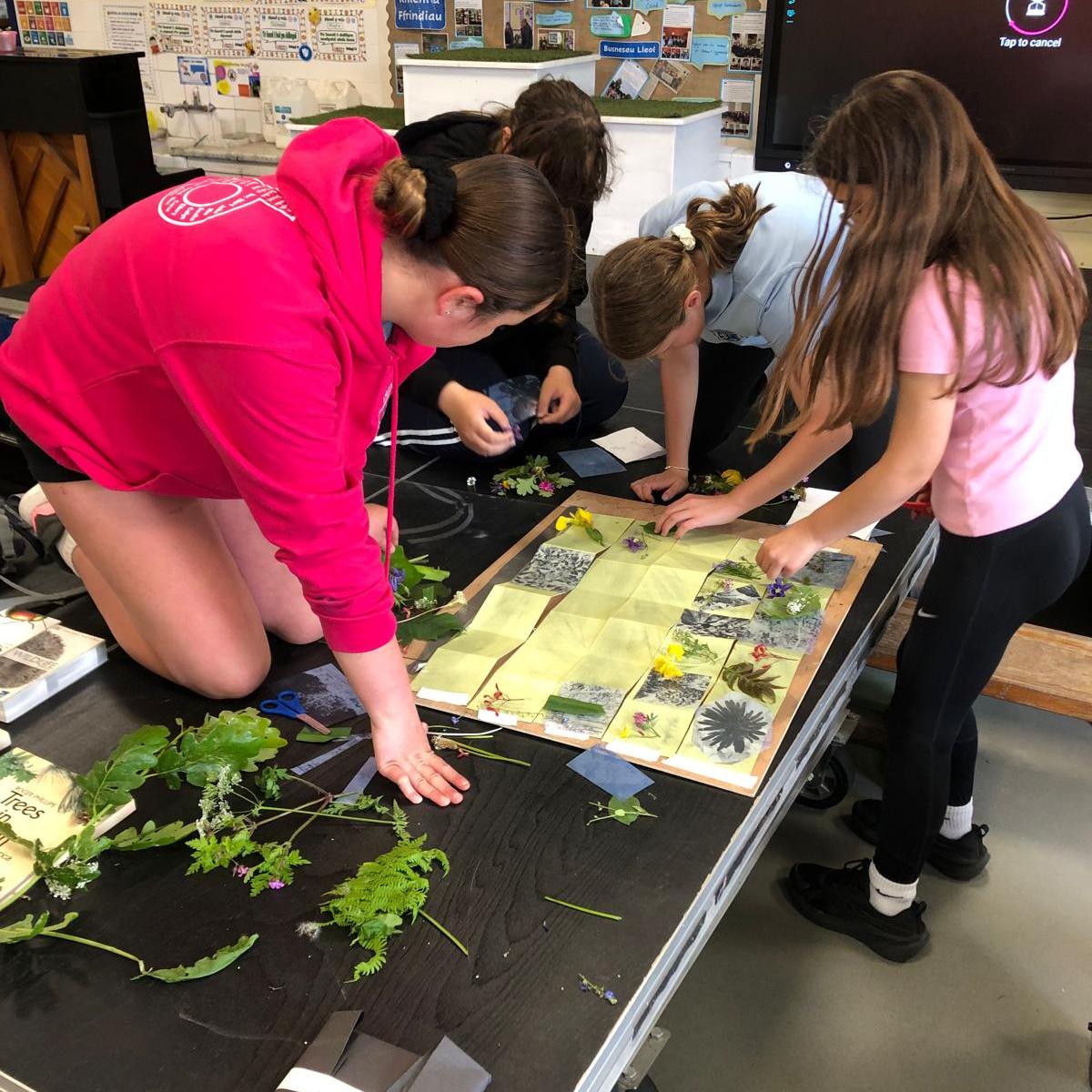
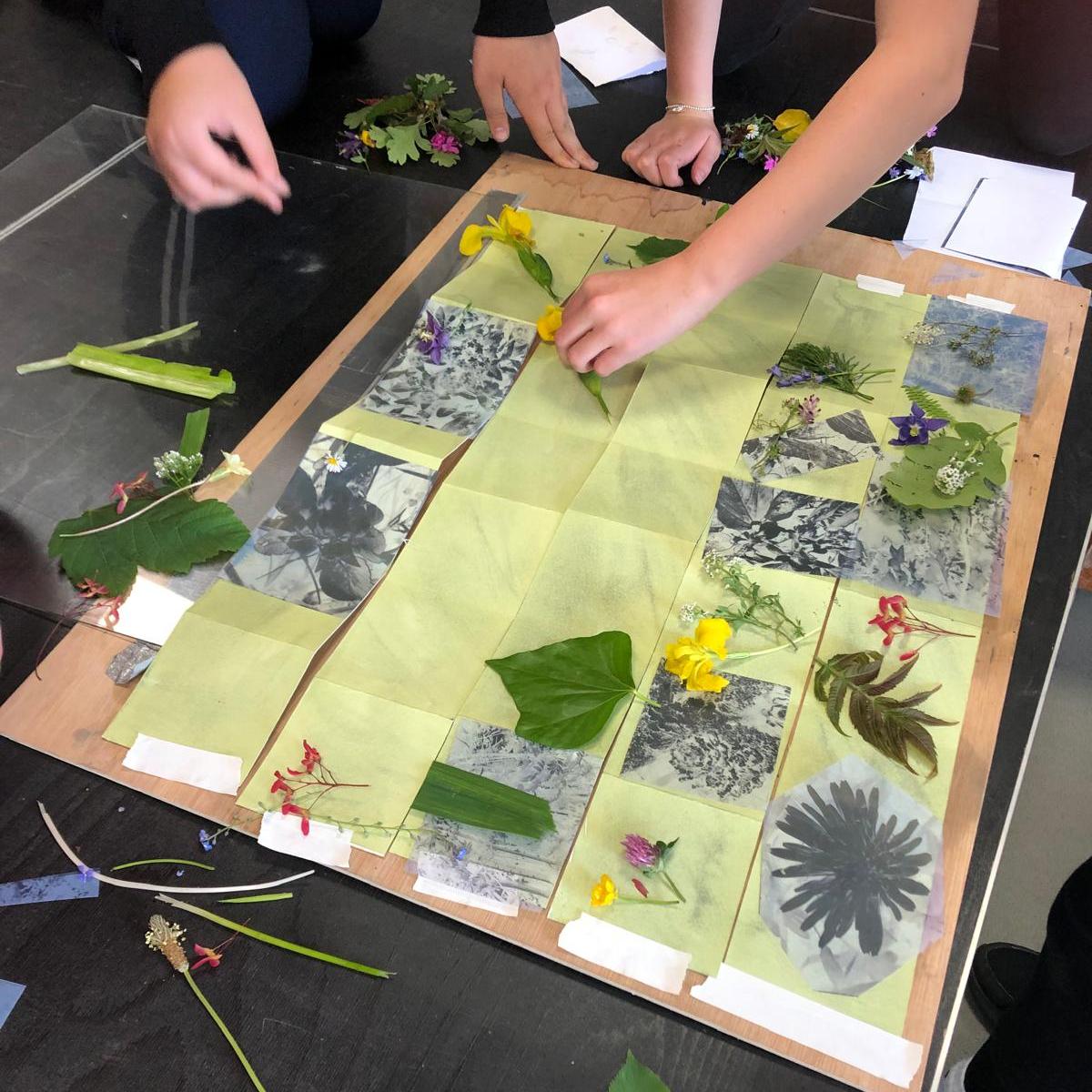
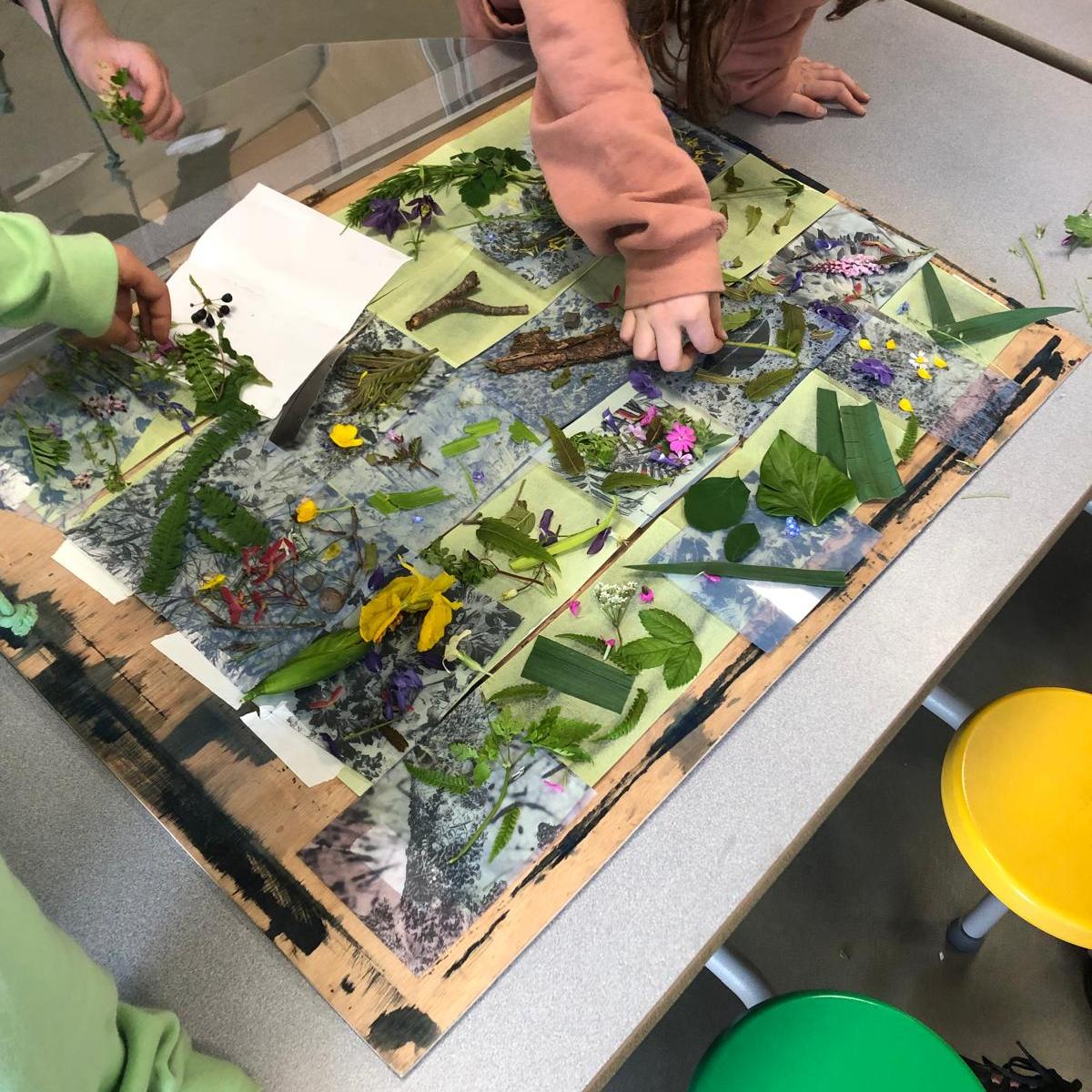
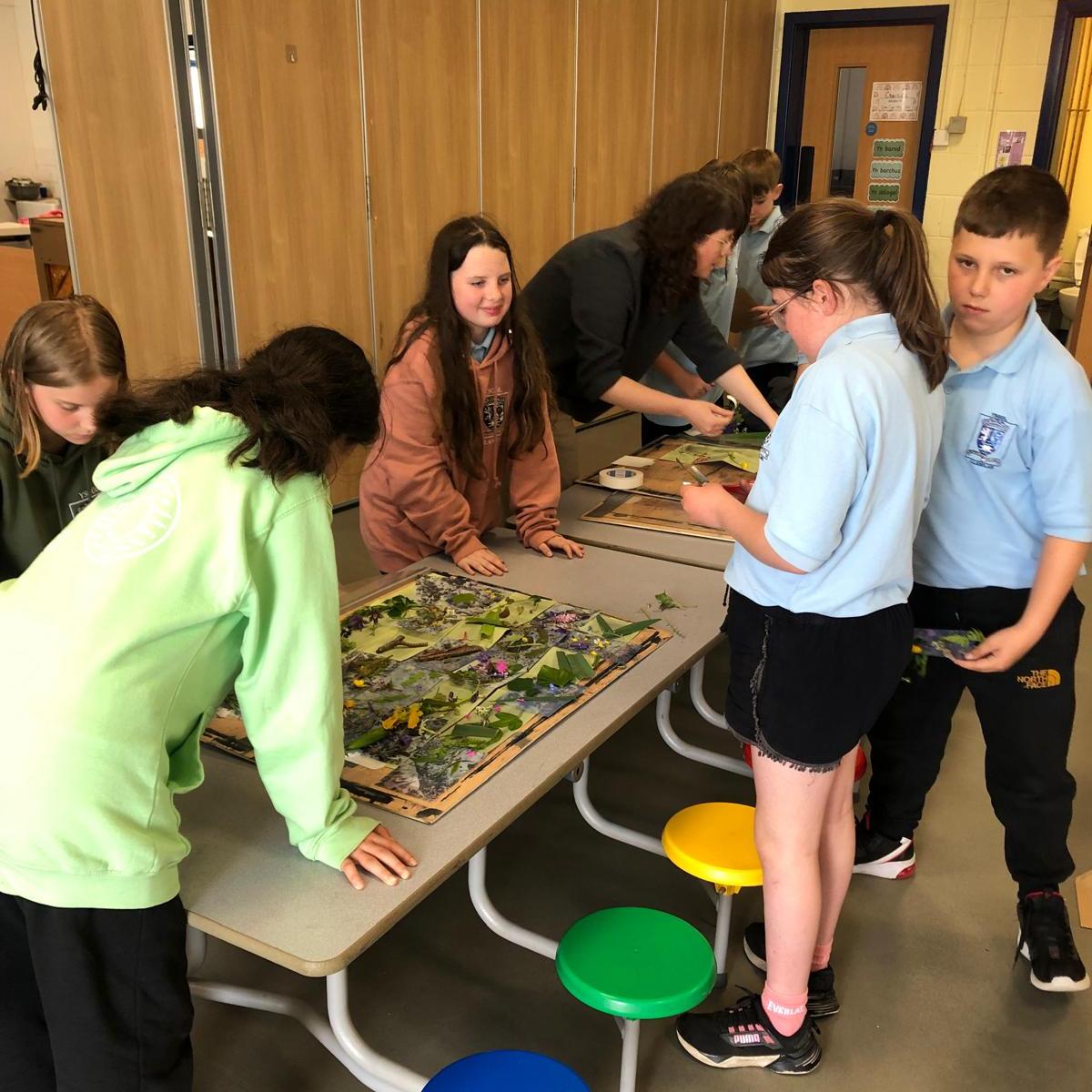
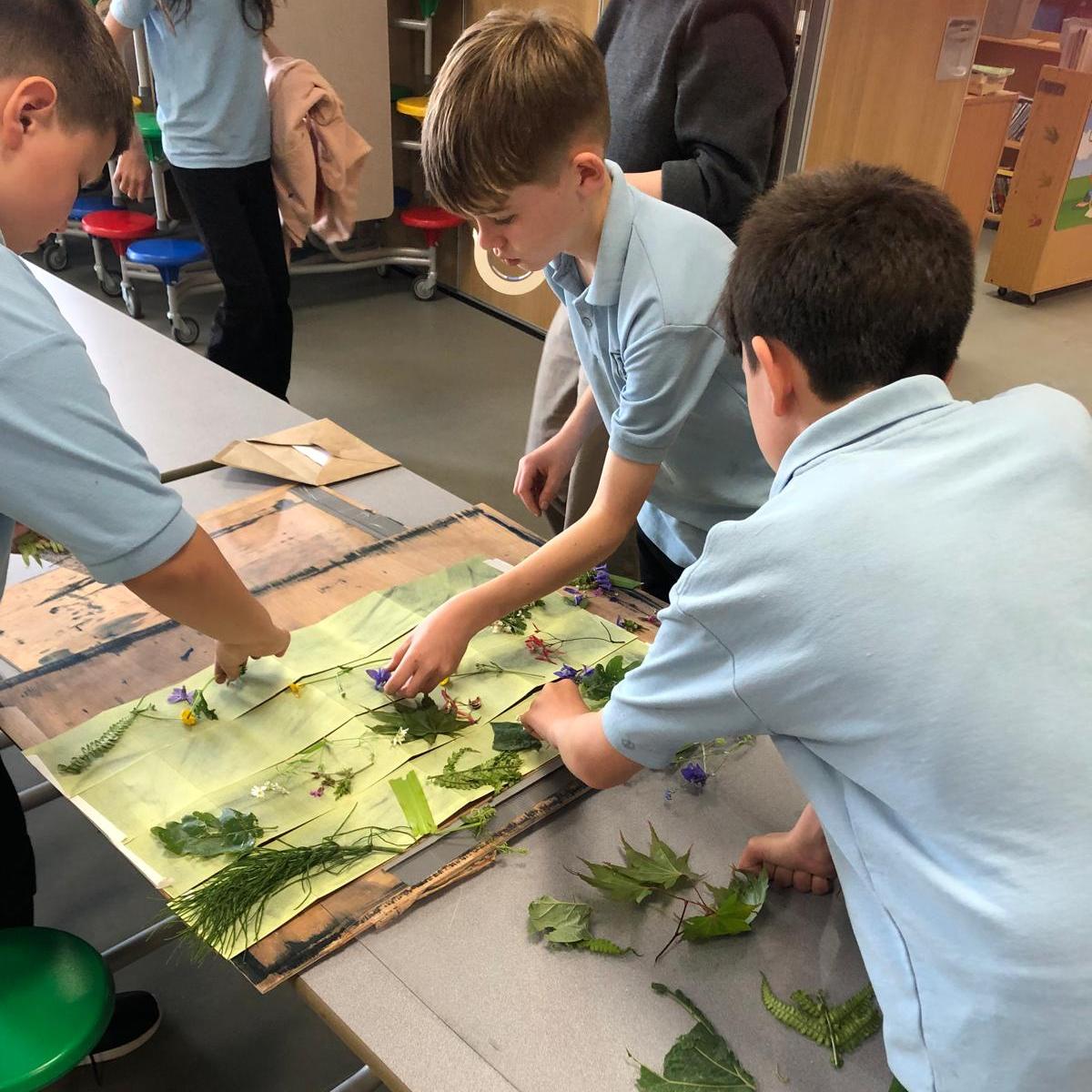
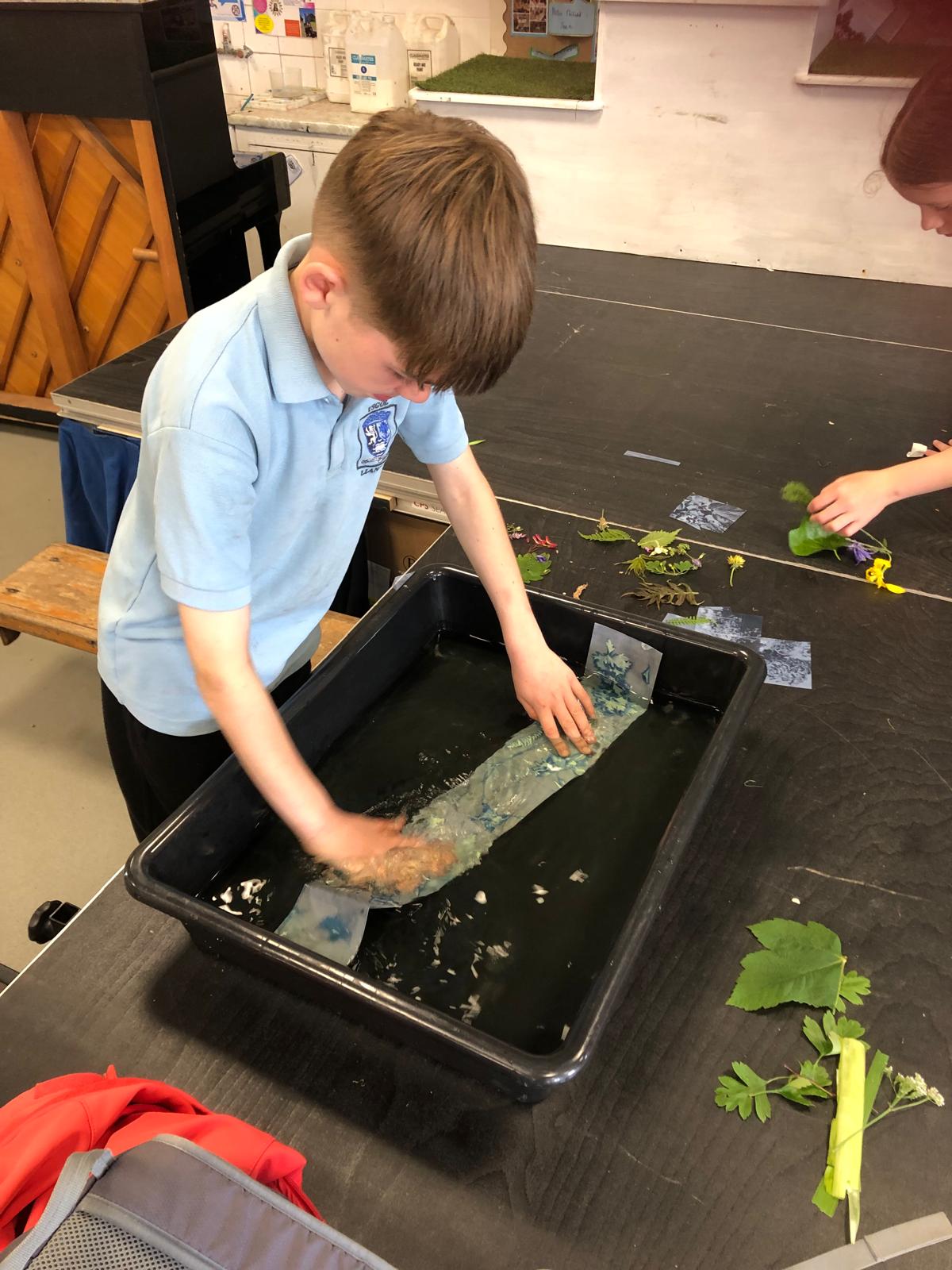
The inside page strips have been exposed to the sun UV and boards brought back inside. Removing plant material from the cyanotype paper and washing the paper in water to fix the printing.
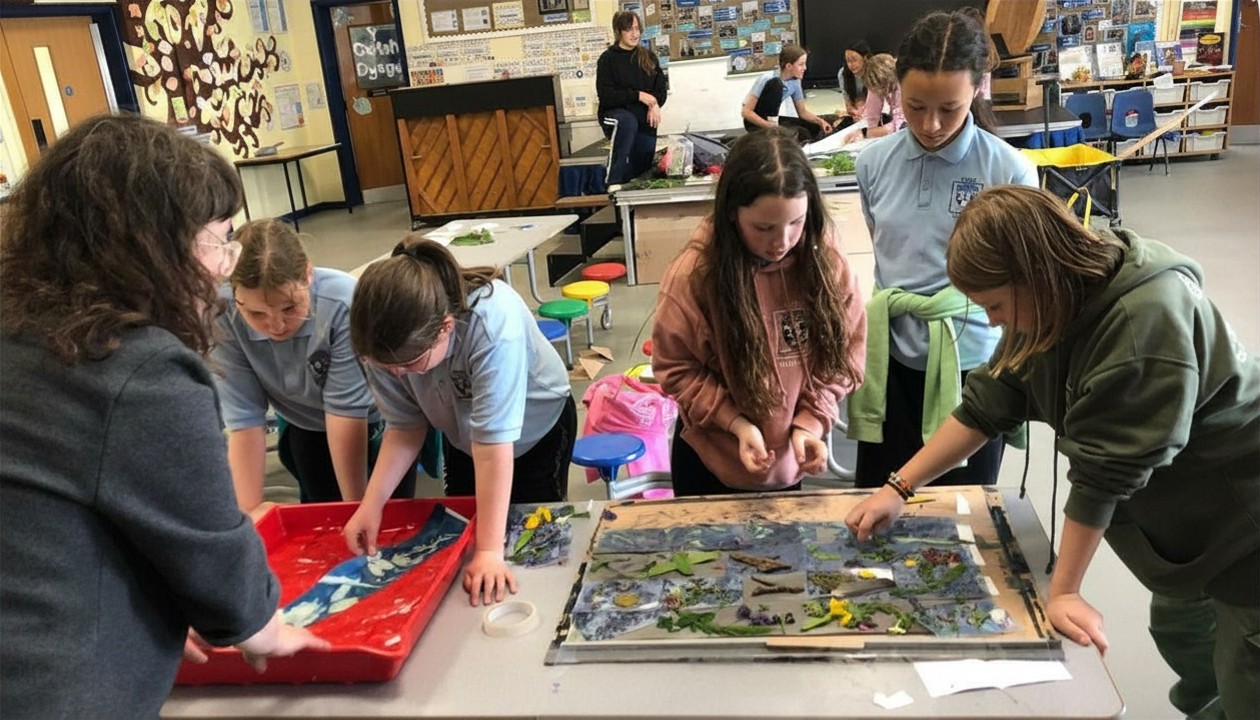
Cyanotype paper and washing the paper in water to fix the printing.
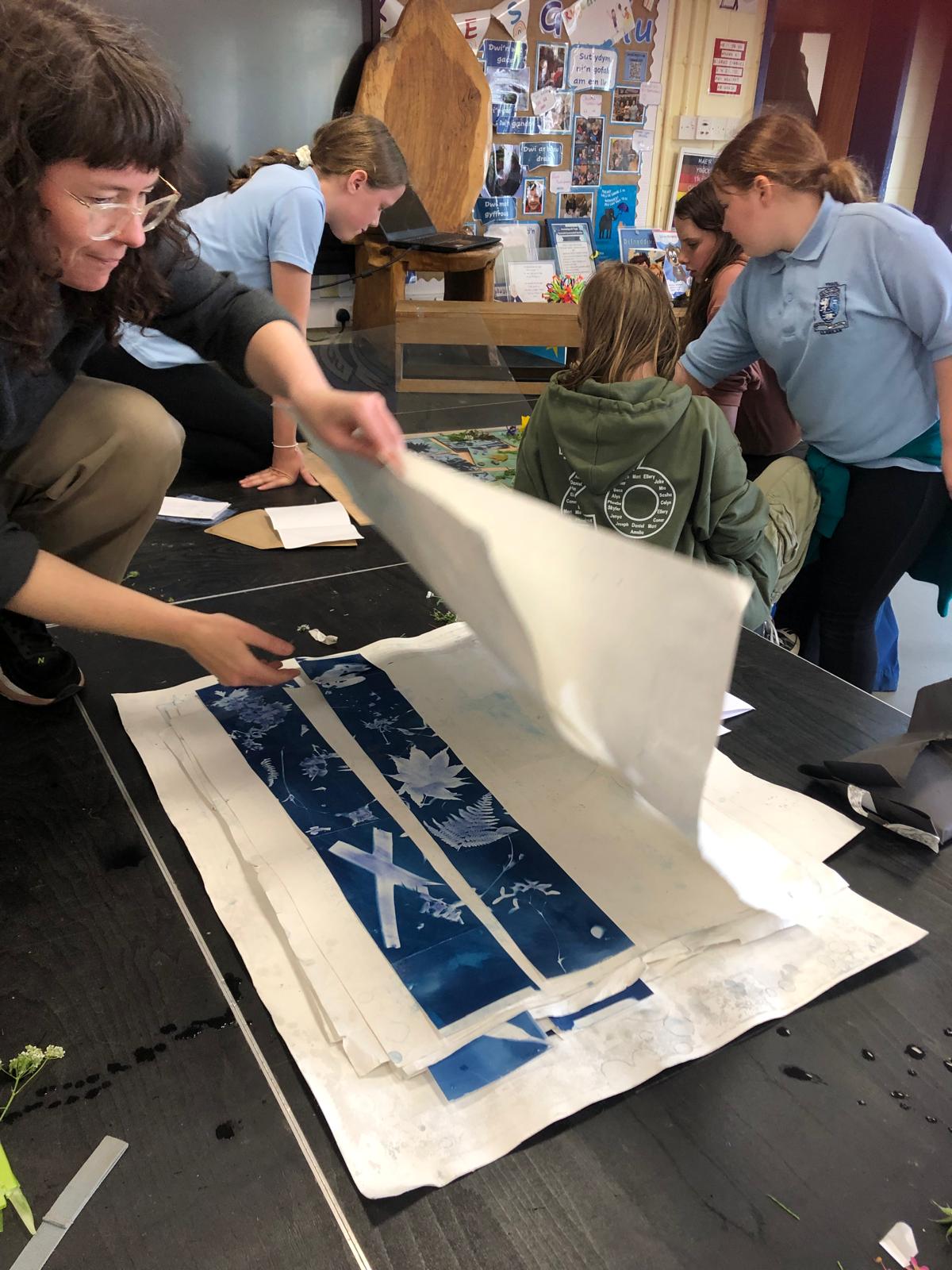
The washed inside page strips are put between blotting paper to dry
On to the front and back pages of the book- arranging plant material for the designs
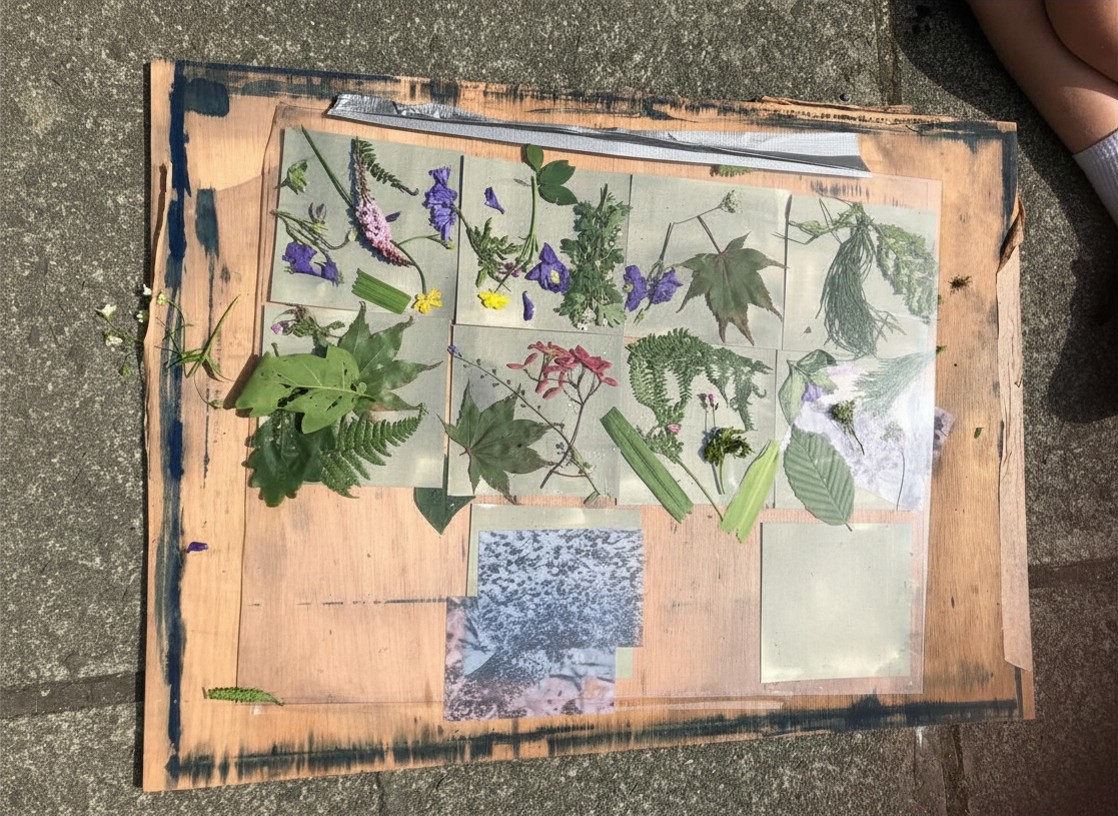
The book cover pages exposing to the UV in the sunshine.
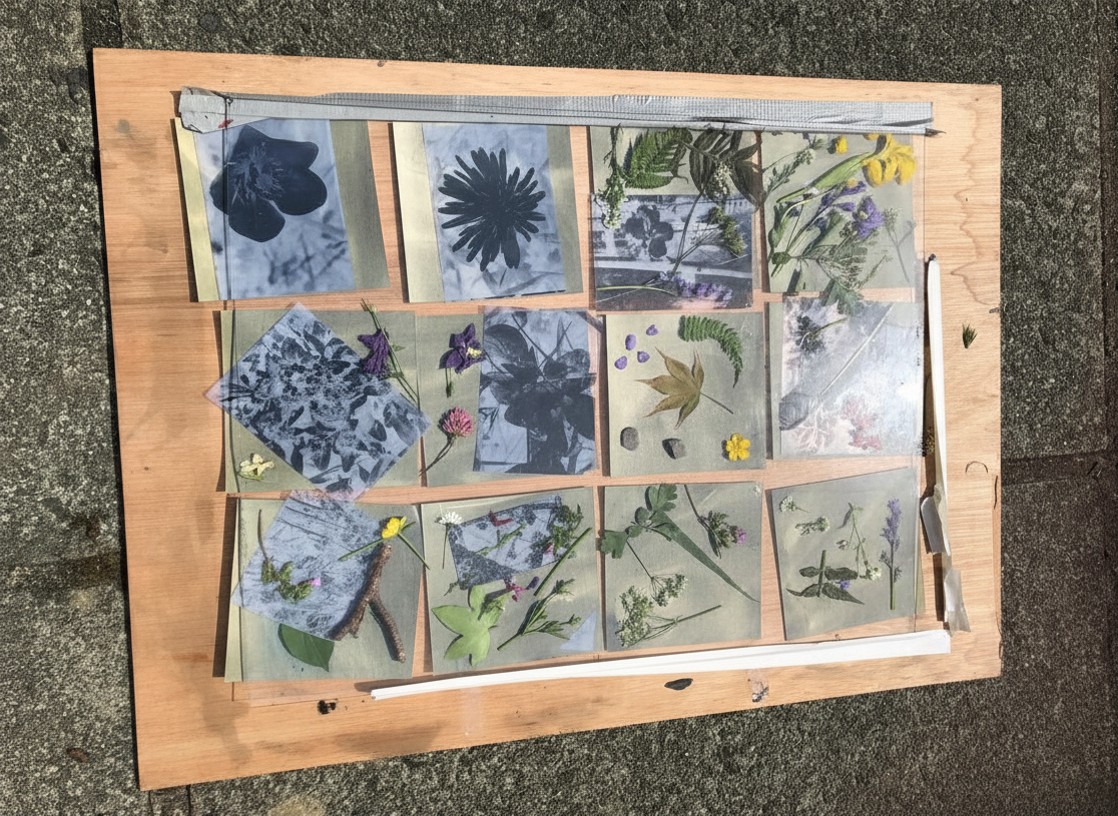
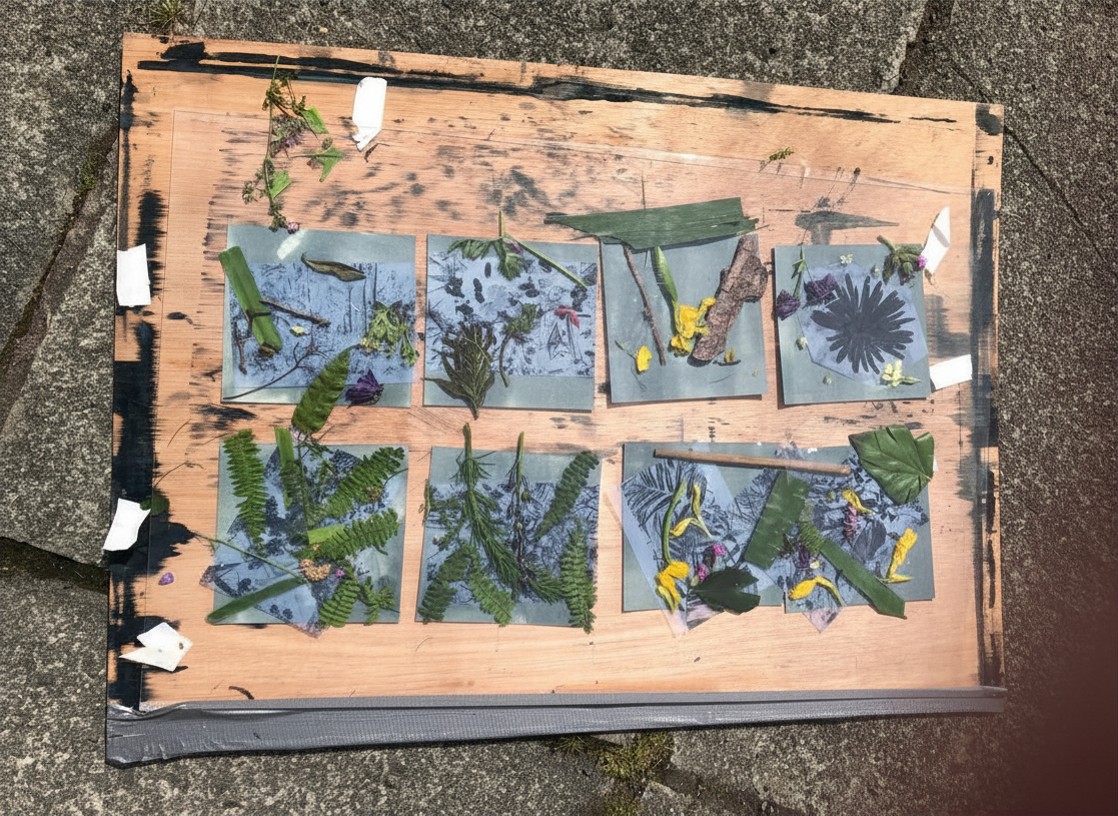
Waiting for the sun to work it’s magic
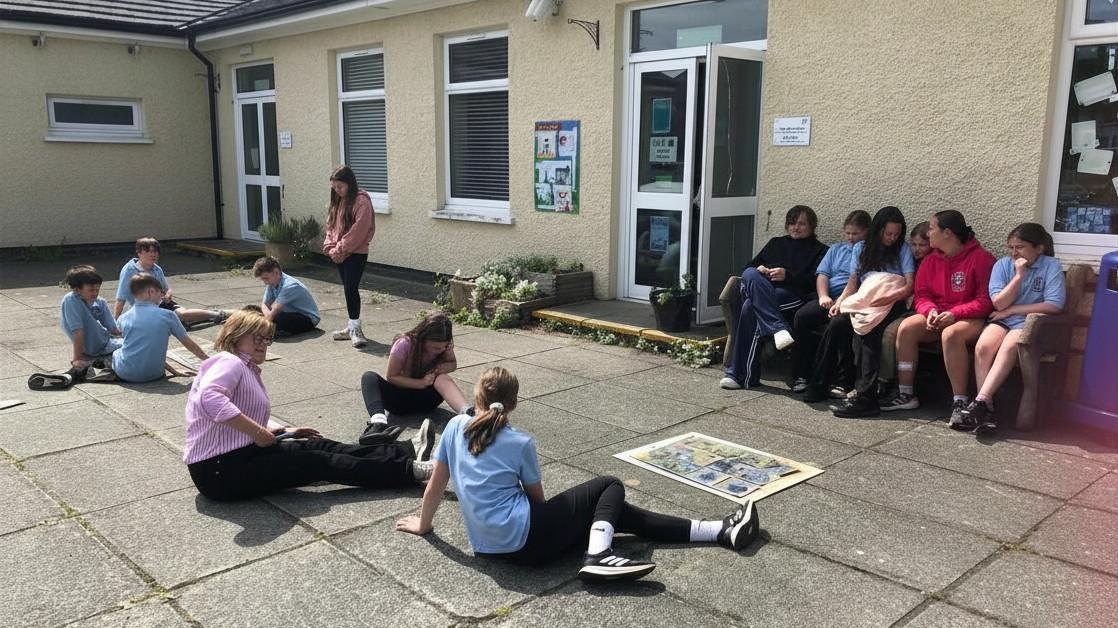
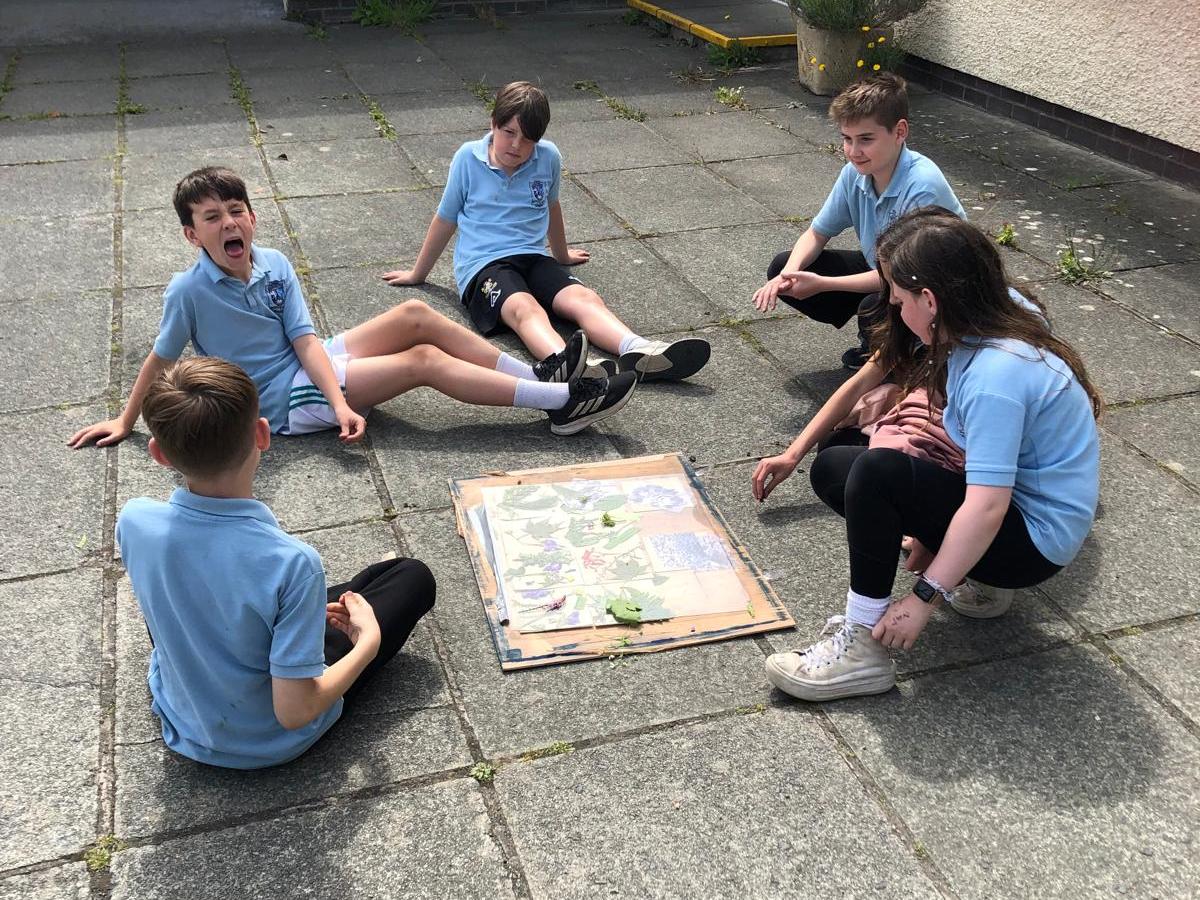
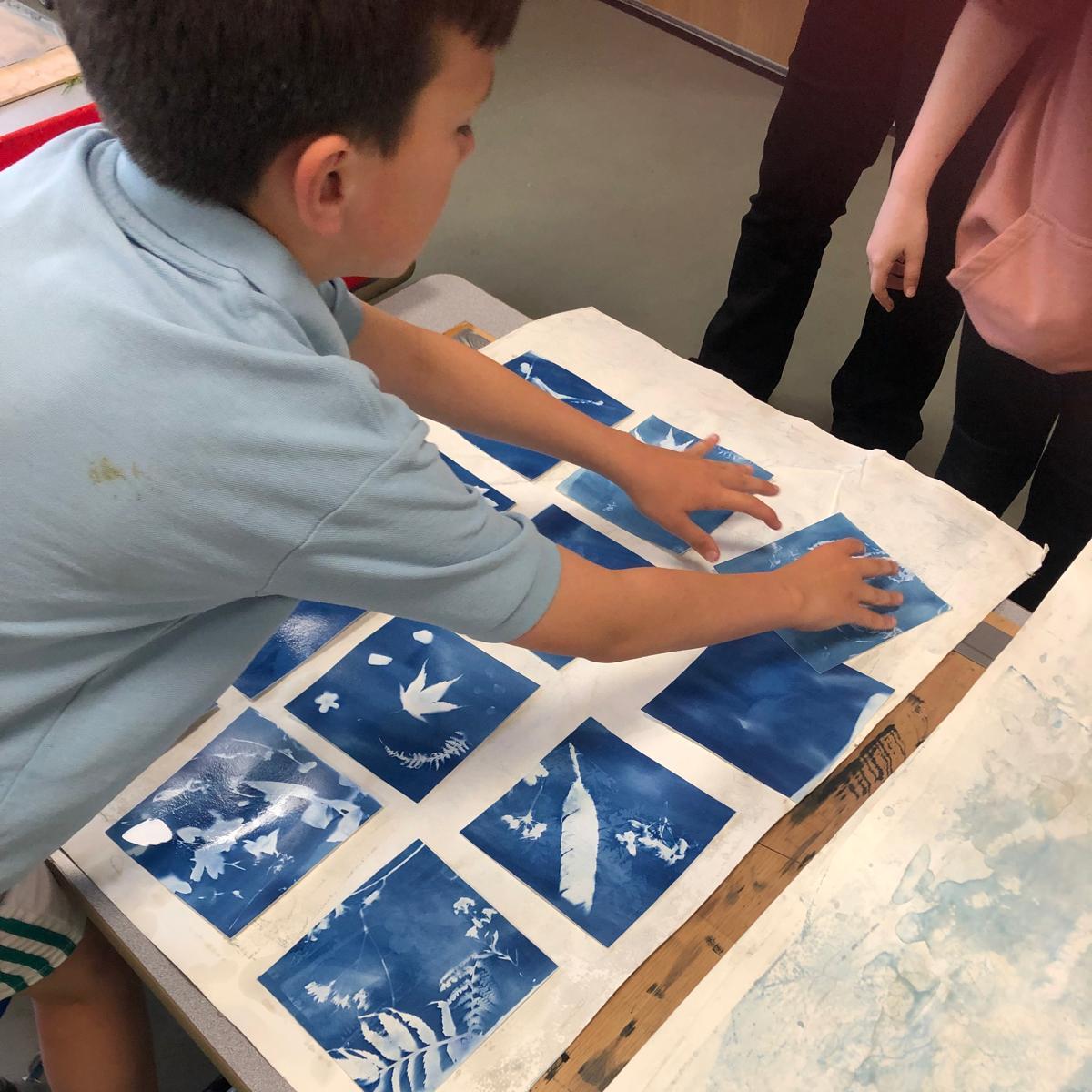
The cover pages are sun printed, washed in water to fix the design, and arranged on the blotting paper to dry
Reflections
- Jake had a bad cold, and it was absolutely fantastic that Louise, who was volunteering, could step in to take photos and document the process. This kind of flexible backup is invaluable.
- Jake used AI 😱 to remove finger blur from a couple of the photos in Canva (the Partnership has a Canva account now). Actually, this is just computers and algorithms, this isn‘t destructive Large Language Models.