Guest post by artist Pip Lewis
Group B – Butterflies & Moths!
Patterns in Nature - Introduction
Pip introduced the theme of Butterflies and Moths living in oak Trees and the patterns and shapes they have on their wings and showed an example of the layered artworks of butterflies and moths that live and forage in Oak Trees which the pupils will be making.
The art process involved in making the final image will include tracing, working with colour, black and white and marker pens, patterns shapes and letter stencils as well as incorporating design and layout skills for the final text.
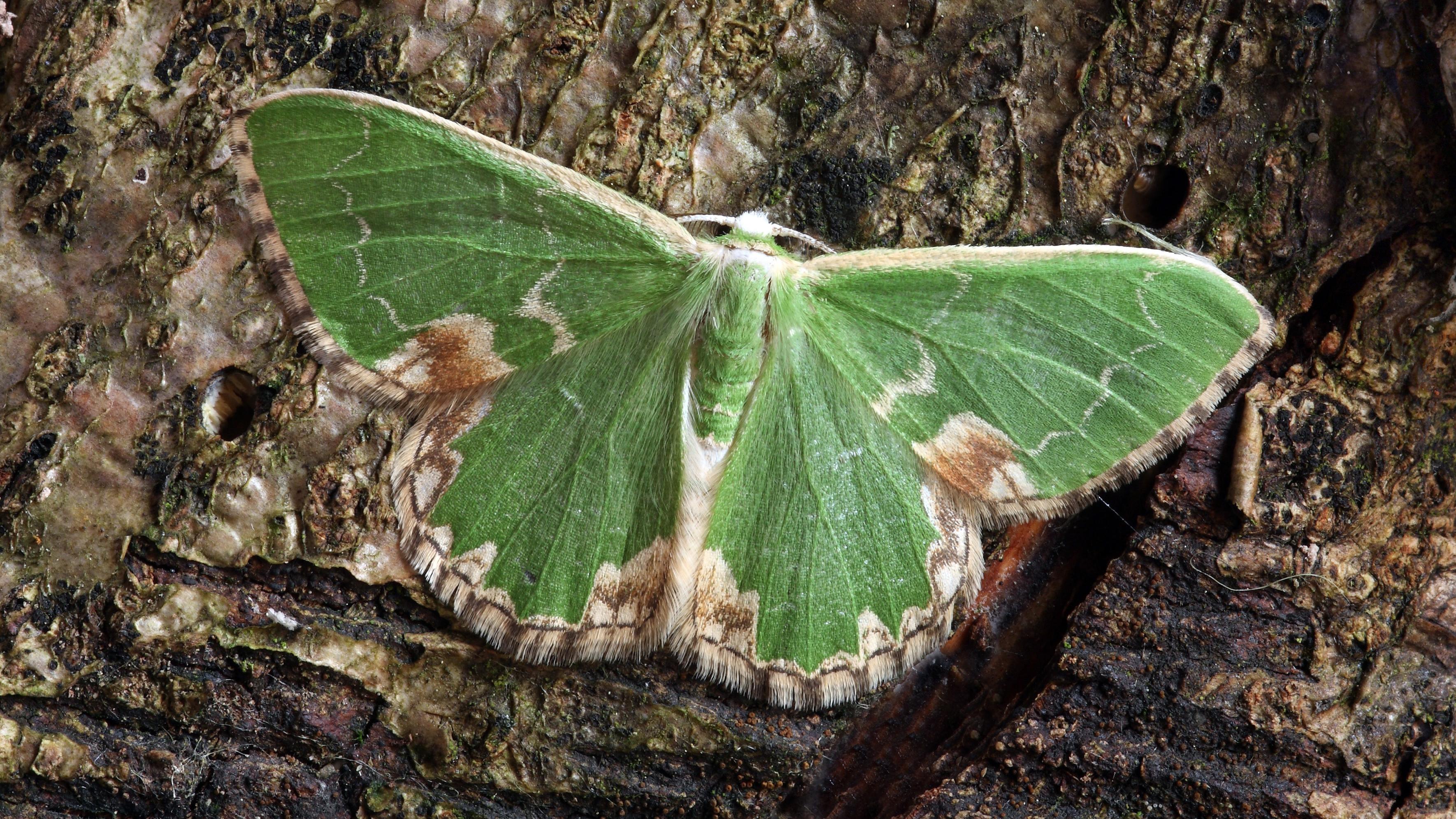 Blotched Emerald moth
Why do butterflies and moths have such colourful and patterned shapes?
The colours shapes and patterns help butterflies and moths to protect themselves from predators, so primarily are there to ensure their survival and reproduction.
We talked about how eyespot shapes on butterfly and moth wings can trick predators into not eating them, as they look like a bigger dangerous creature!
And how patterns and shapes help butterflies and moths blend act as camouflage to blend in with their surroundings.
The patterns can resemble leaves or bark, to avoid detection. Also having vivid colours and detailed patterns acts as a beacon for a potential mate. We also talked about the beautiful symmetry of the the wings which can be split into two to make two matching halves.
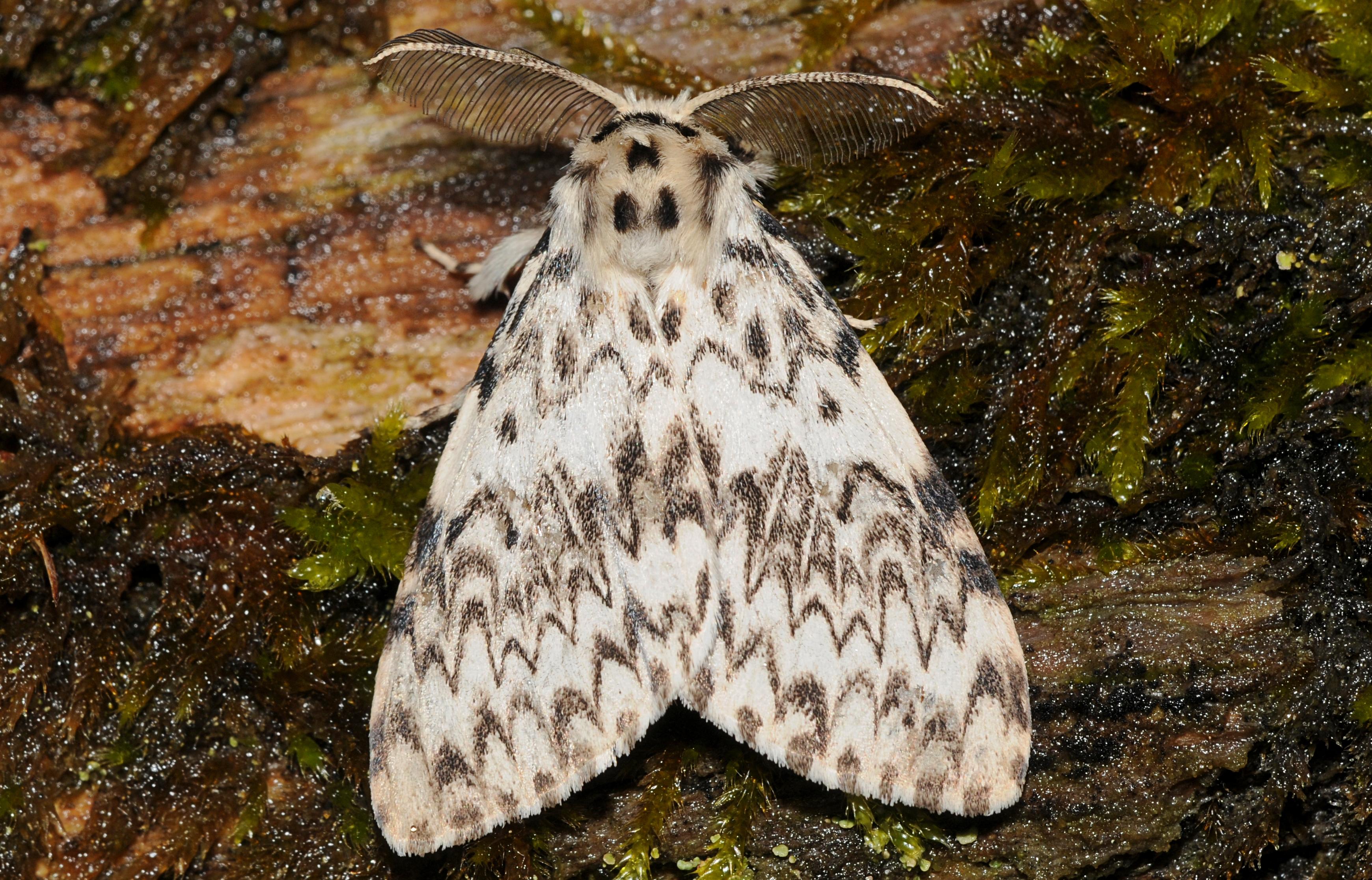
Prior to the workshop Pip selected and printed A3 photos of the following Butterfly and Moth species:
Butterfly and Moth species
| Moth species | English name | Welsh name |
|---|---|---|
| Comibaena bajularia | Blotched Emerald | Emrallt Blotiog |
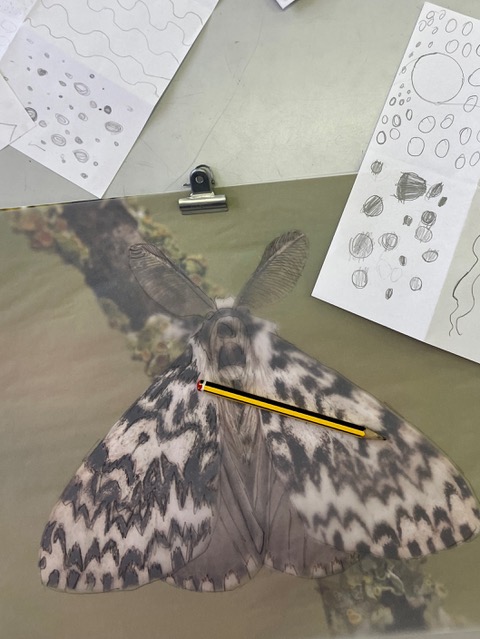
| Lymantria monacha | Black Arches | Siobyn Bwaog |
| Carterocephalus palaemon | Chequered Skipper | Gwibiwr Y Llennyrch |
| Catocala sponsa | Dark Crimson Underwing | Ôl-adain Ruddgoch Dywyll |
| Apoda limacodes | Festoon | Llusgwyfyn Rhuban |
| Polyploca ridens | Frosted Green | Tant Siriol |
| Malacosoma neustria | Lackey | Gwaswyfyn |
| Acleris literana | Lichen Button | - |
| Cyclophora punctaria | Maiden’s Blush | Moca Gwridog |
| Griposia aprilina | Merveille du Jour | Gwyfyn Cennog |
| Watsonalla binaria | Oak Hook-tip | Bachadain Y Deri |
| Cymatophorina diluta | Oak Lutestring | Tant Y Deri |
| Biston strataria | Oak Beauty | Rhisglyn Y Derw |
| Lasiocampa quercus | Oak Eggar | Wylun Deri |
| Crocallis elinguaria | Scalloped Oak | Carpiog Y Derw |
| Plagodis dolabraria | Scorched Wing | Adain Ddeifiog |
| Butterfly species | English name | Welsh name |
|---|---|---|
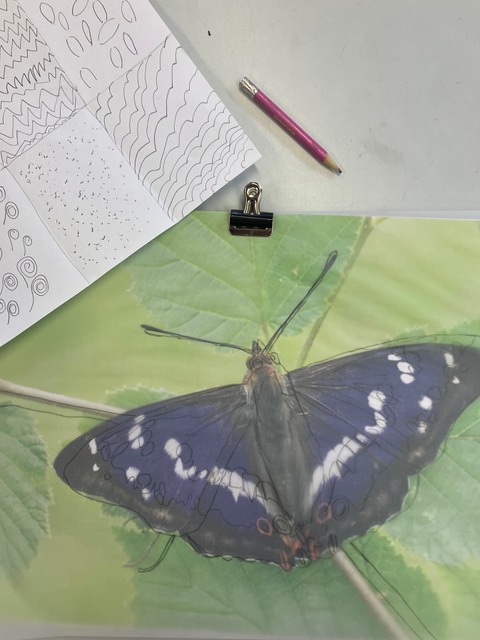
| Apatura iris | Purple Emperor | Mantell Borffor |
| Pararge aegeria | Speckled Wood | Gweirlöyn Brych |
Exercise 1
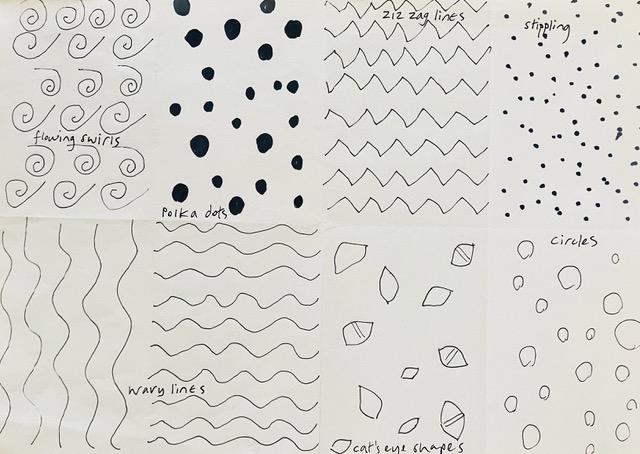 The 7 most common patterns on butterfly and moth wings
In the first exercise the pupils made a pattern sheet , with seven of the most common patterns and shapes found on butterfly and moth’s wings.
Exercise 2
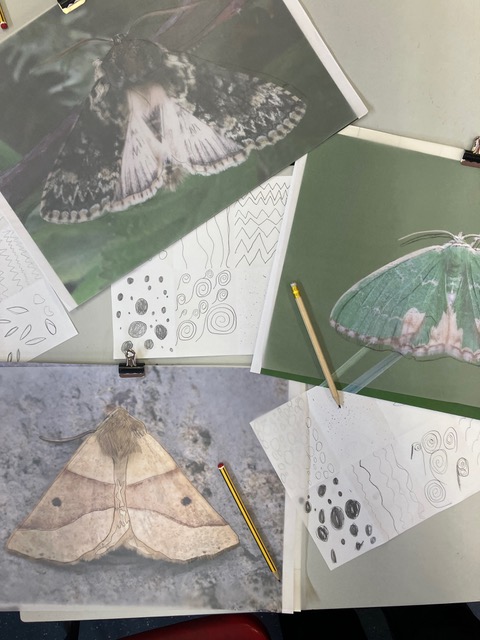
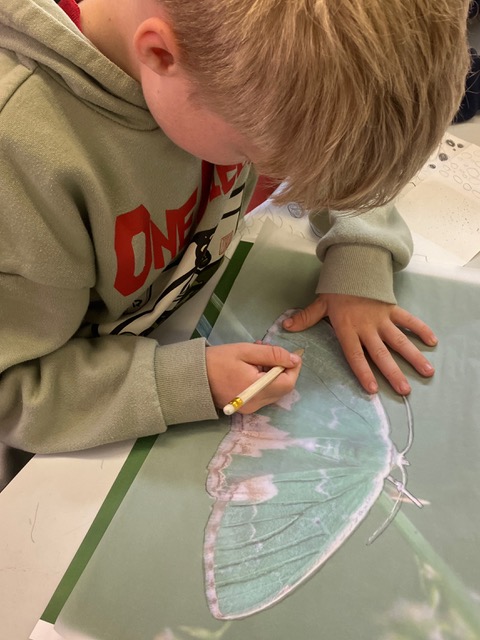
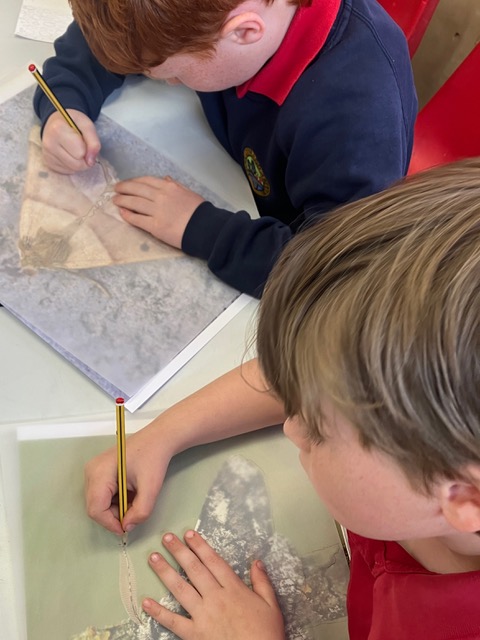
The exercise started with a photo lottery where each pupil randomly selected a number from a bag which identified a specific A3 photo of a butterfly or moth whose habitat is the oak tree.
A sheet of tracing paper was attached with a clip over the photograph and everyone drew the outline of the butterfly or moth onto the tracing paper, and added all the details like the veins and pattern shapes, using a sharp pencil first and then going over theses lines with a permanent black marker.
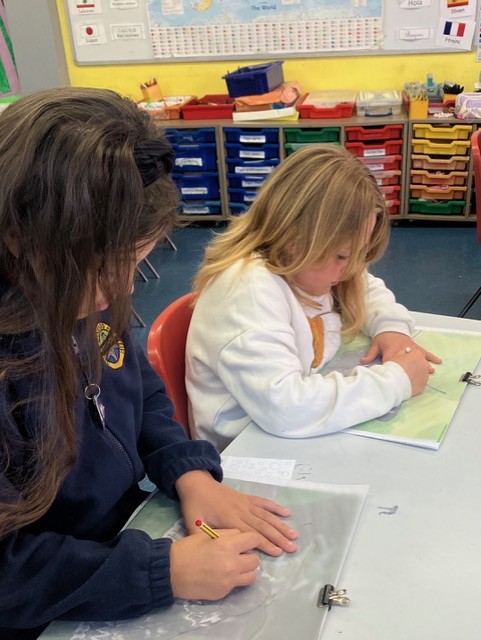
Exercise 3
Each student was given a A3 piece of cartridge paper, pre-prepared with a pencil grid of 48 squares.
The pupils selected and added alternate patterns and colours from their pattern sheet withcolour markers. Half of the group worked with warm colours - reds, oranges, yellows - and the other half used cool colours - blues, greens, and purples.
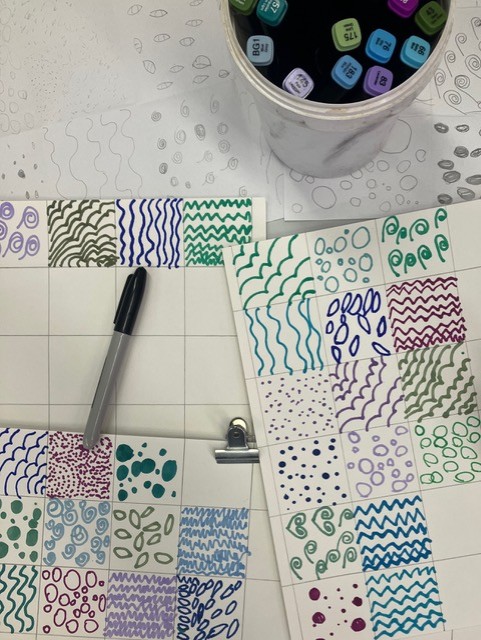
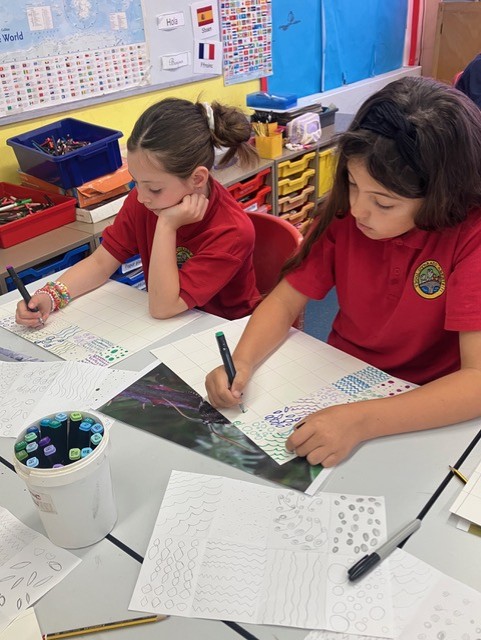
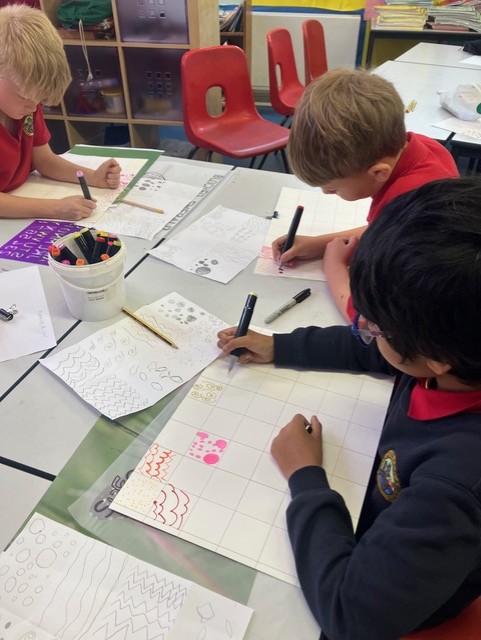
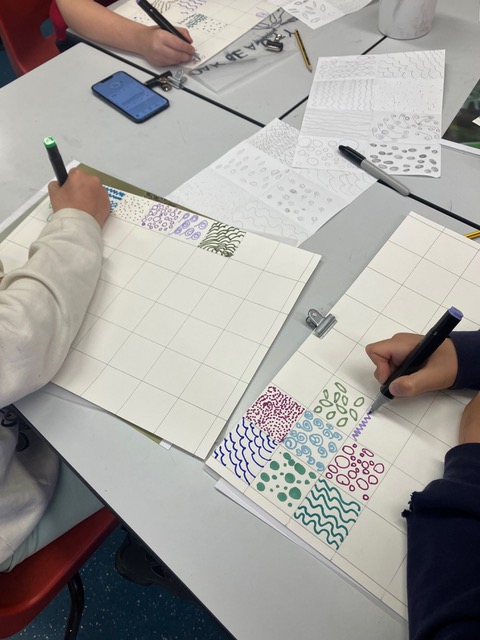
In the second session we will be completing the patterns and using colour on the tracing of the butterfly or moth to add the detail patterns and shapes and finally adding the name of the butterfly or moth to the final image, using letter stencils prior to the images being framed.
Group A – a surfeit of woodlice
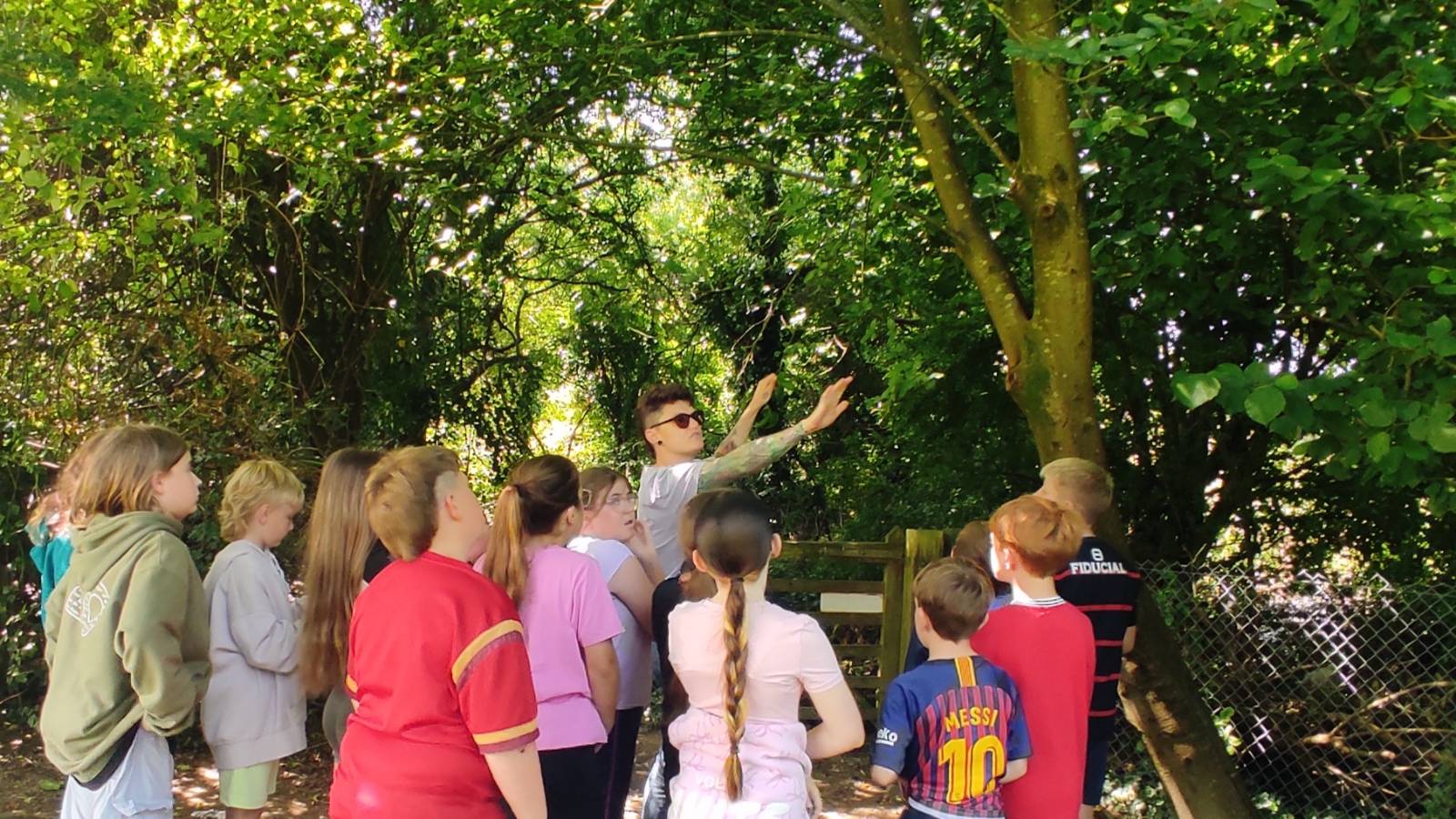
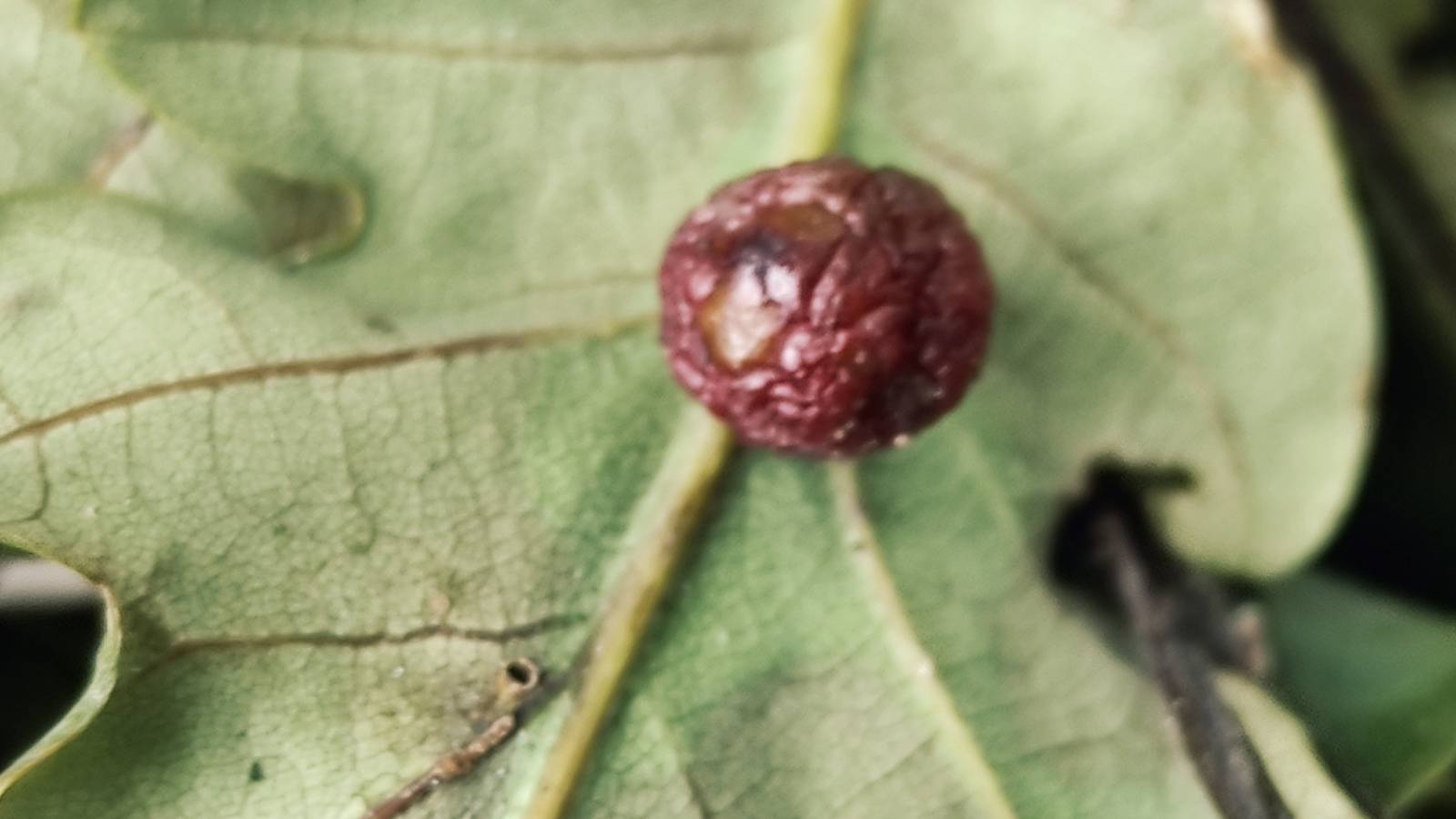
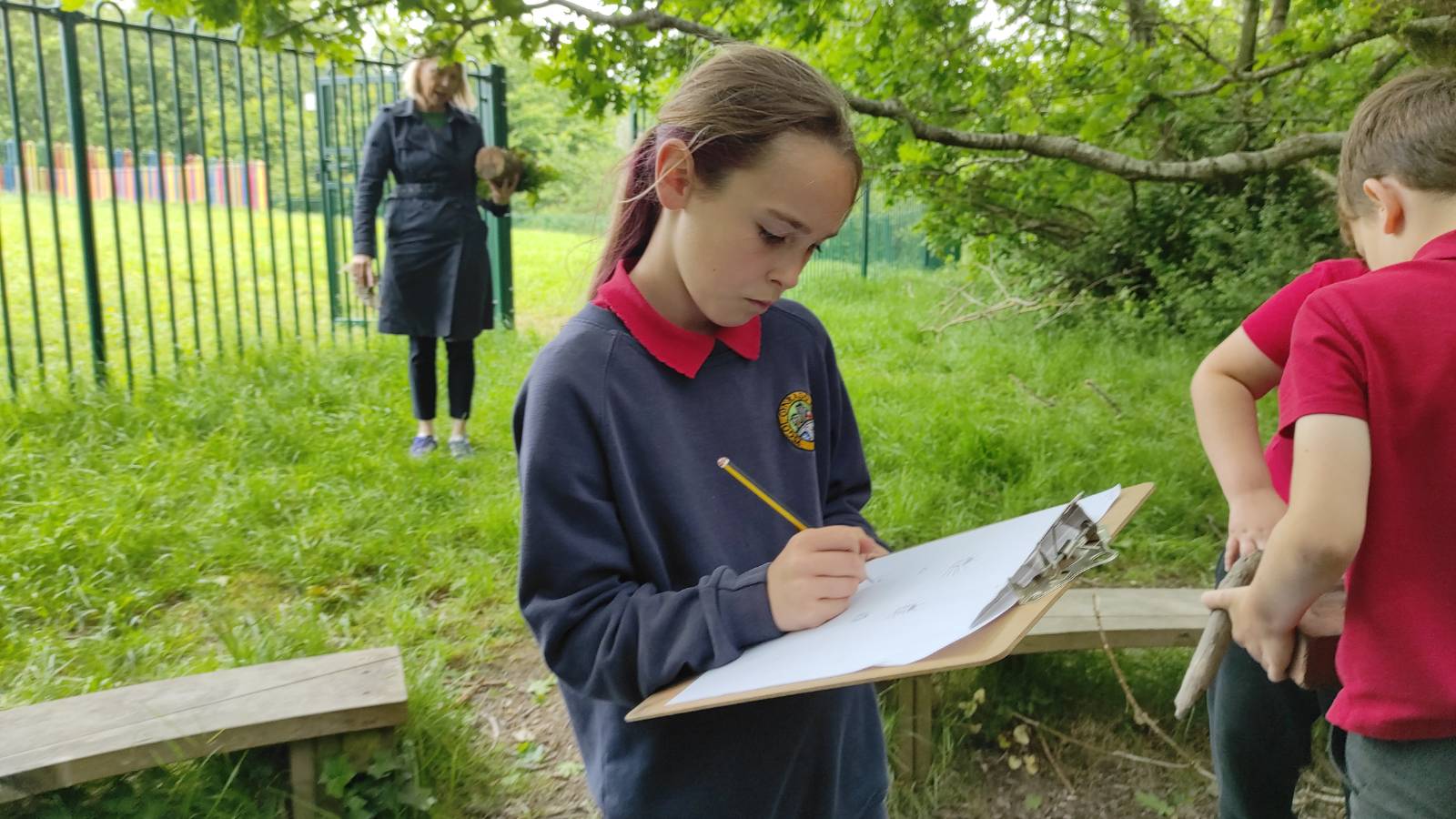
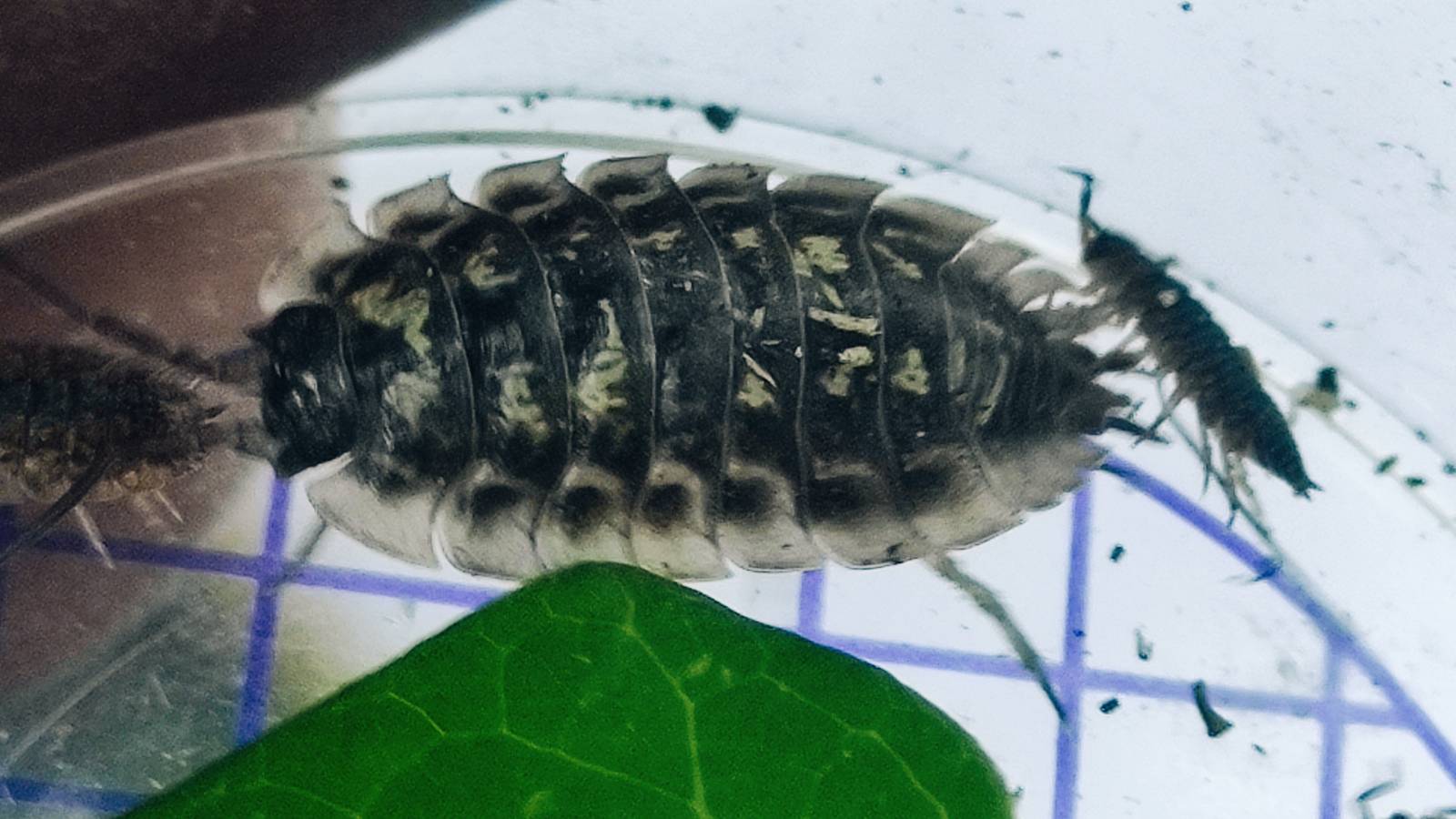
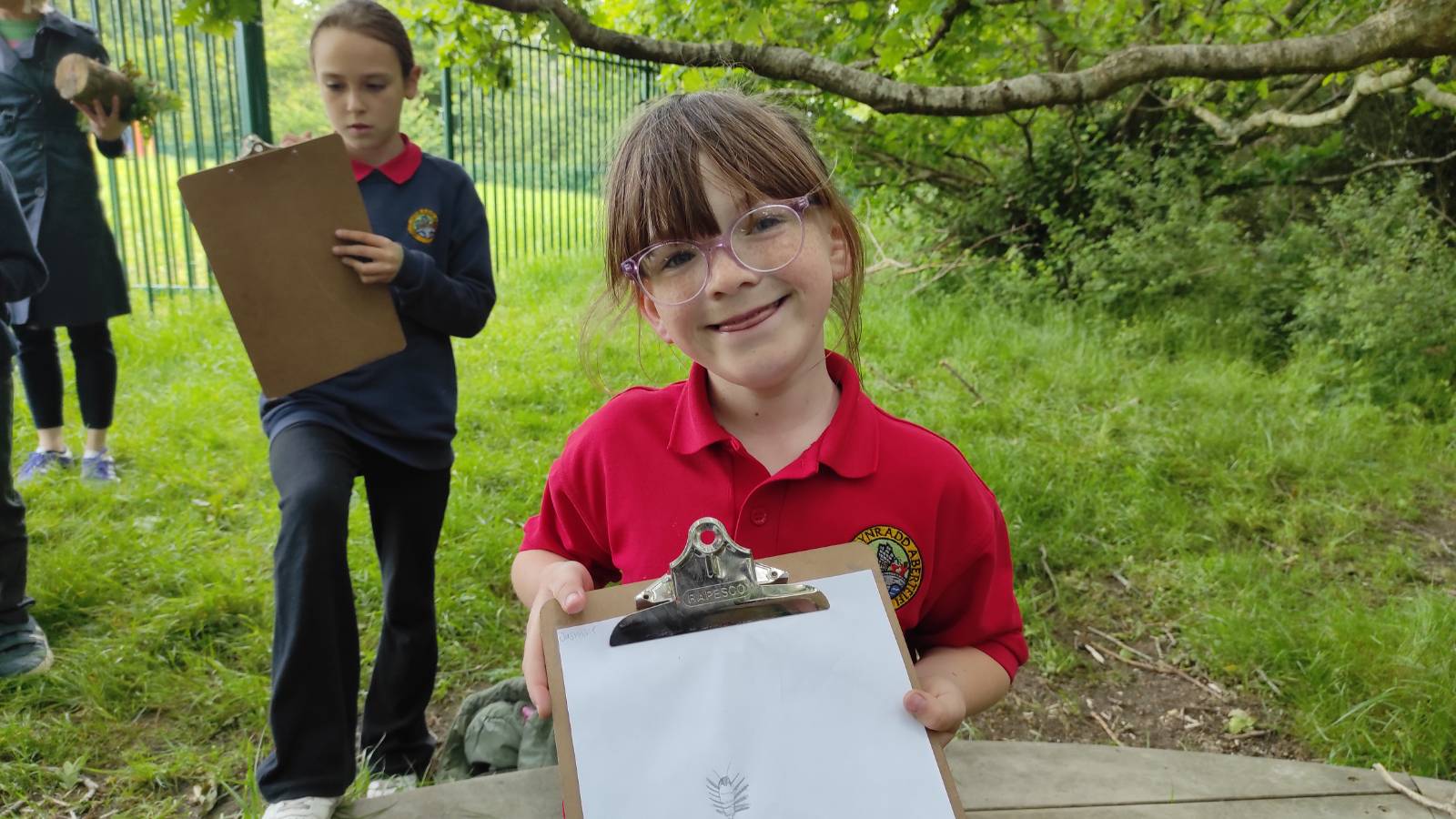
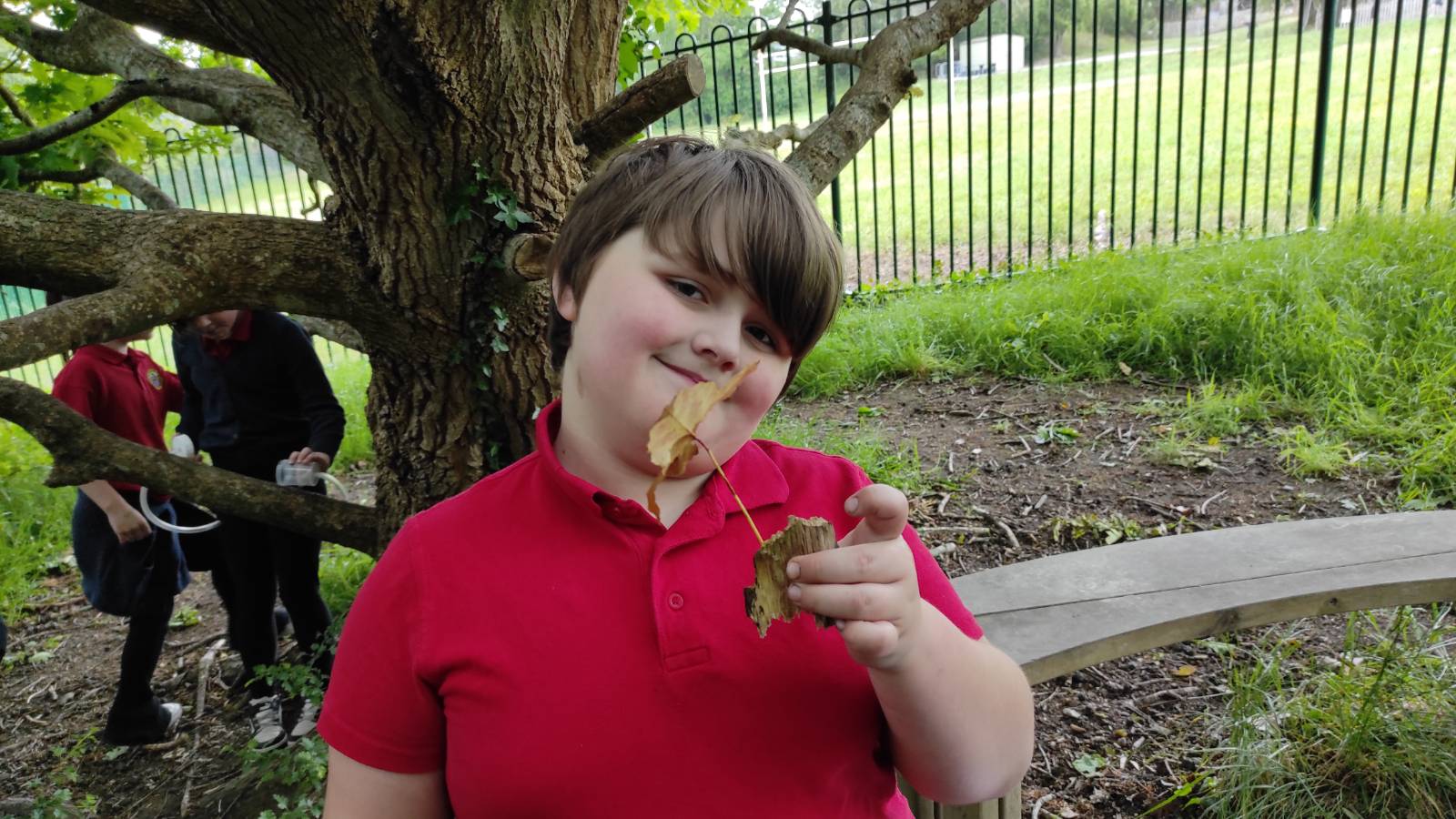
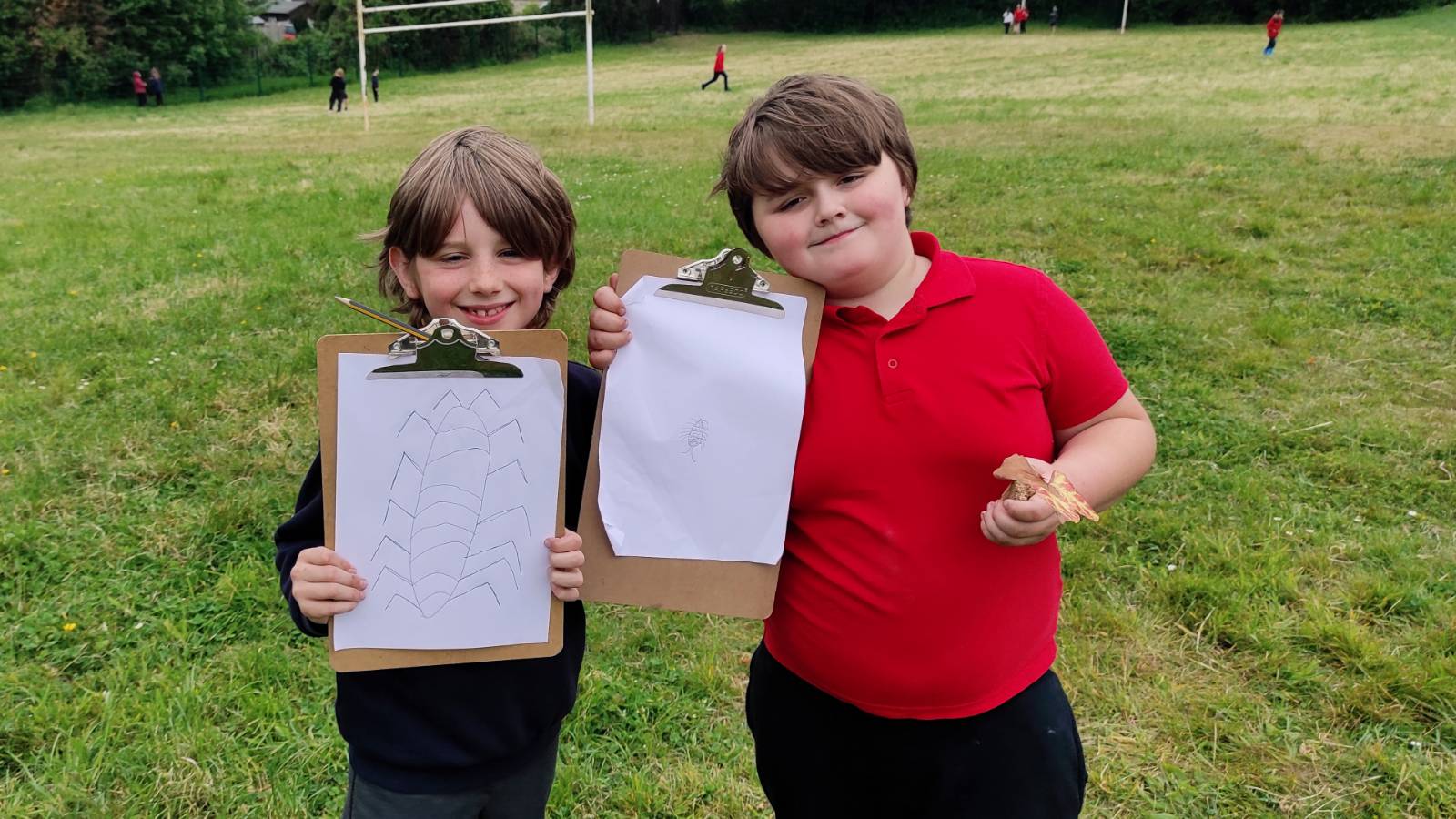
Jake Rayson took Group A out to under the Oaks, on a hunt for invertebrates.
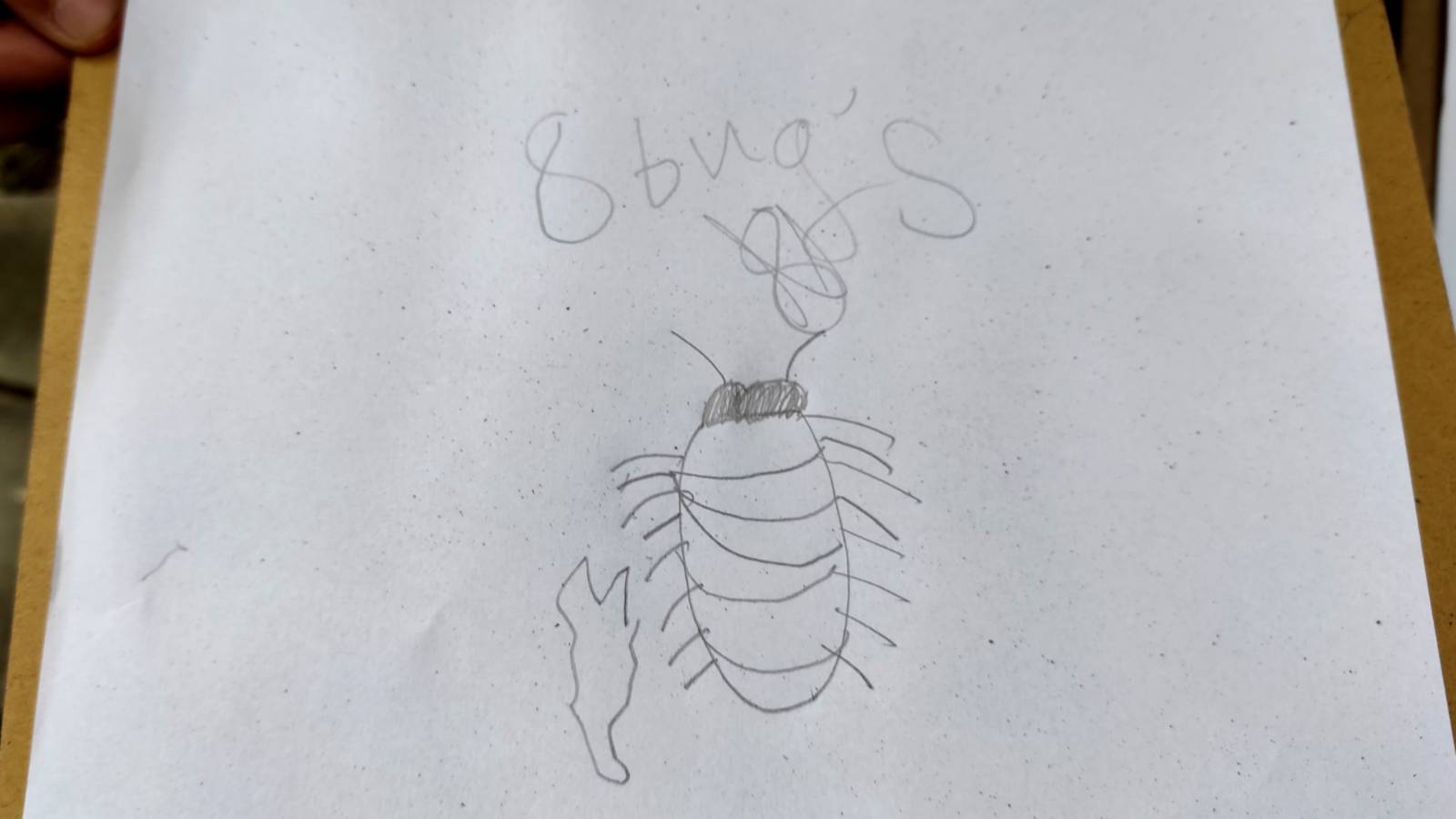
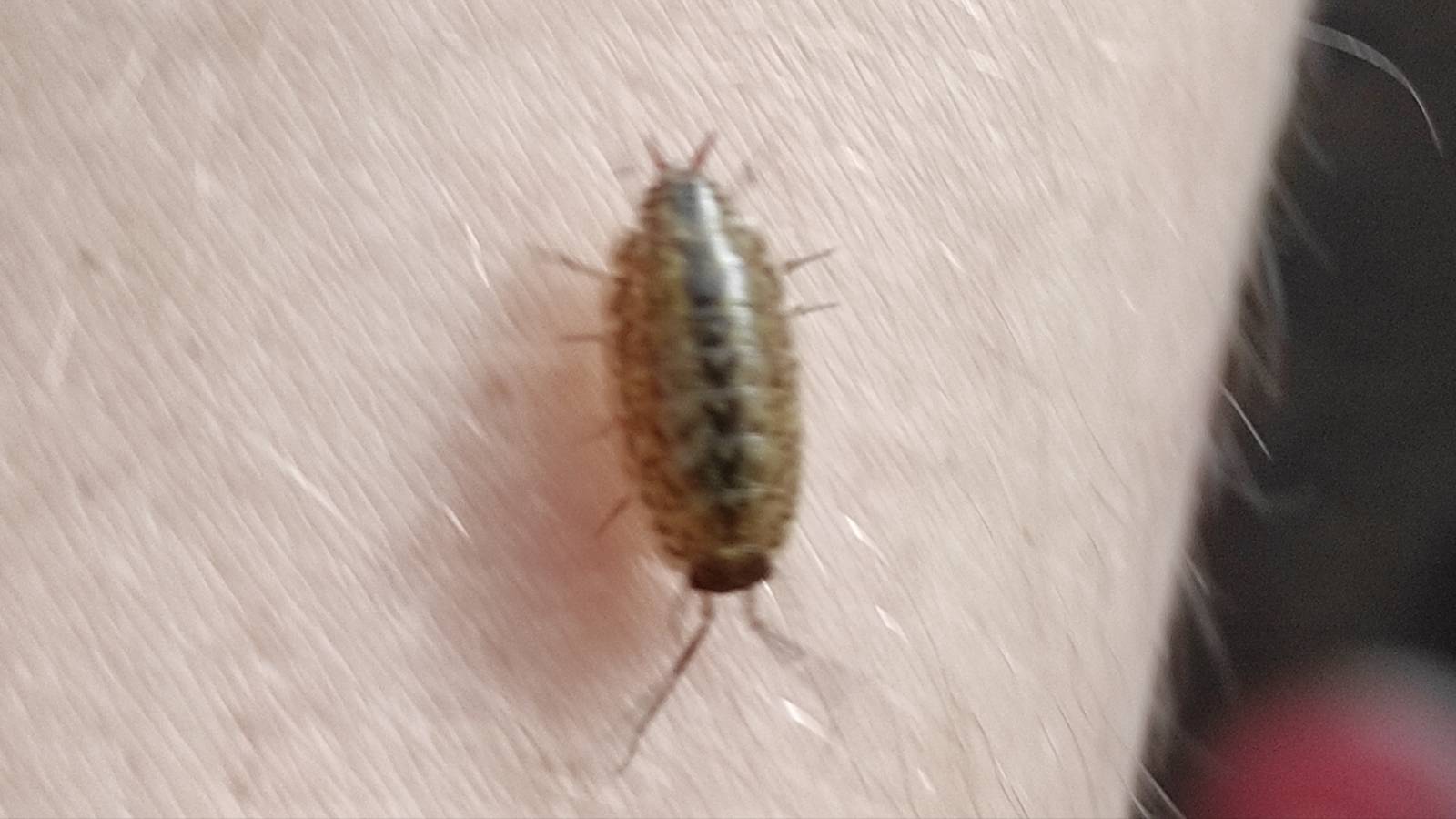
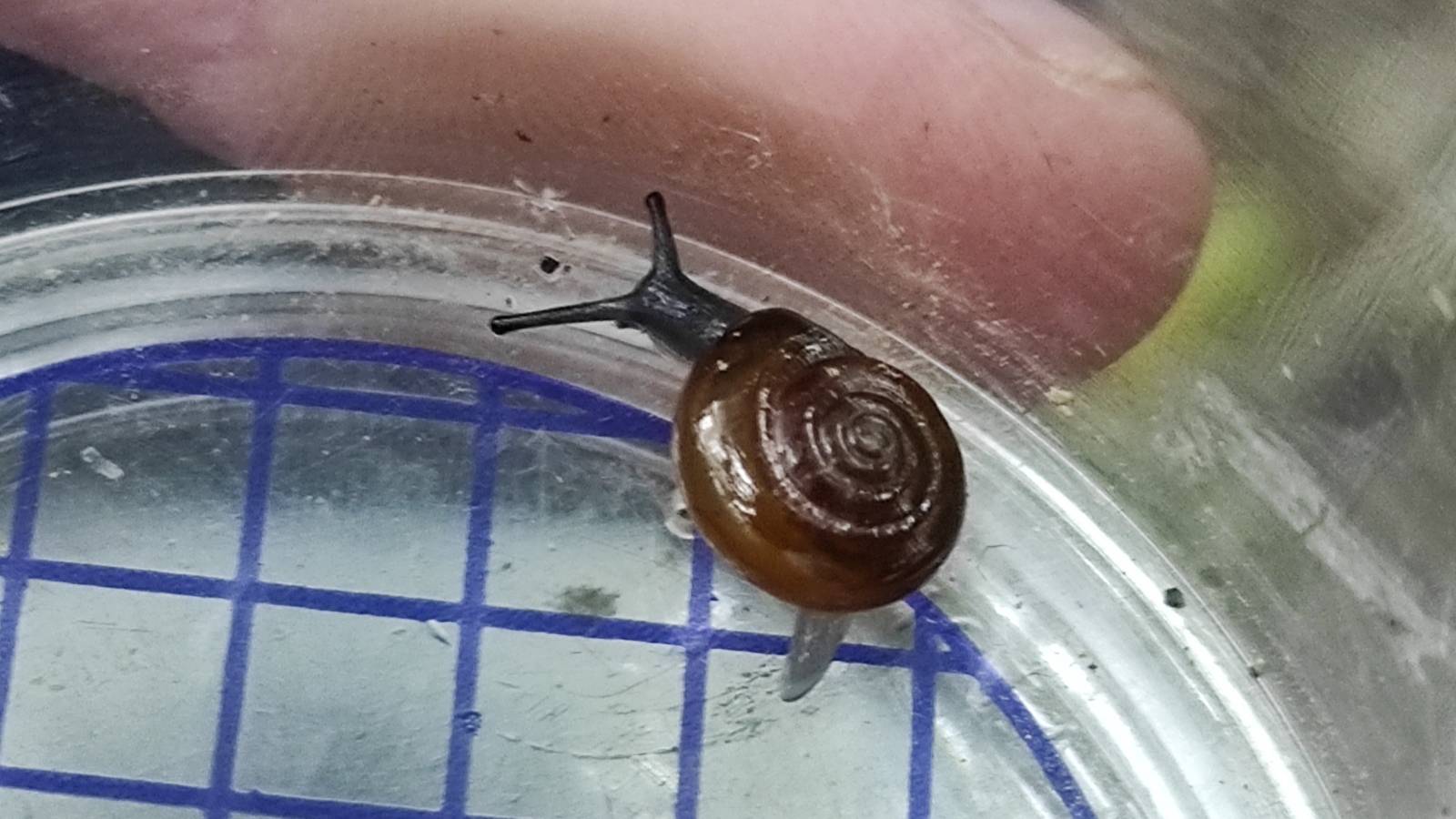
We talked about the importance of different habitat, and why the Oak is so important. Initially, we used the bug pots to collect any invertebrates we could find. It was a cool day, so this was mostly woodlice!
After the break, the students were shown how to use the pooters, so there were a few flies in the mix as well.
Reflections
- With Group A outside, it was still quite cool, and there weren’t many invertebrates around. The most common one was woodlice; it would be good to have a little woodlice guide!!
- Jake had a bad cold, so it was good to have backup with the teaching assistants and Mari after the break. Maybe a backup plan would be good for other staff in case of illness?